Landmarks
-

An Italianate fantasy village on a Welsh estuary, built over 50 years by one architect and made famous by a 1960s spy series — here’s exactly where to find it, and what to know before you go.
-
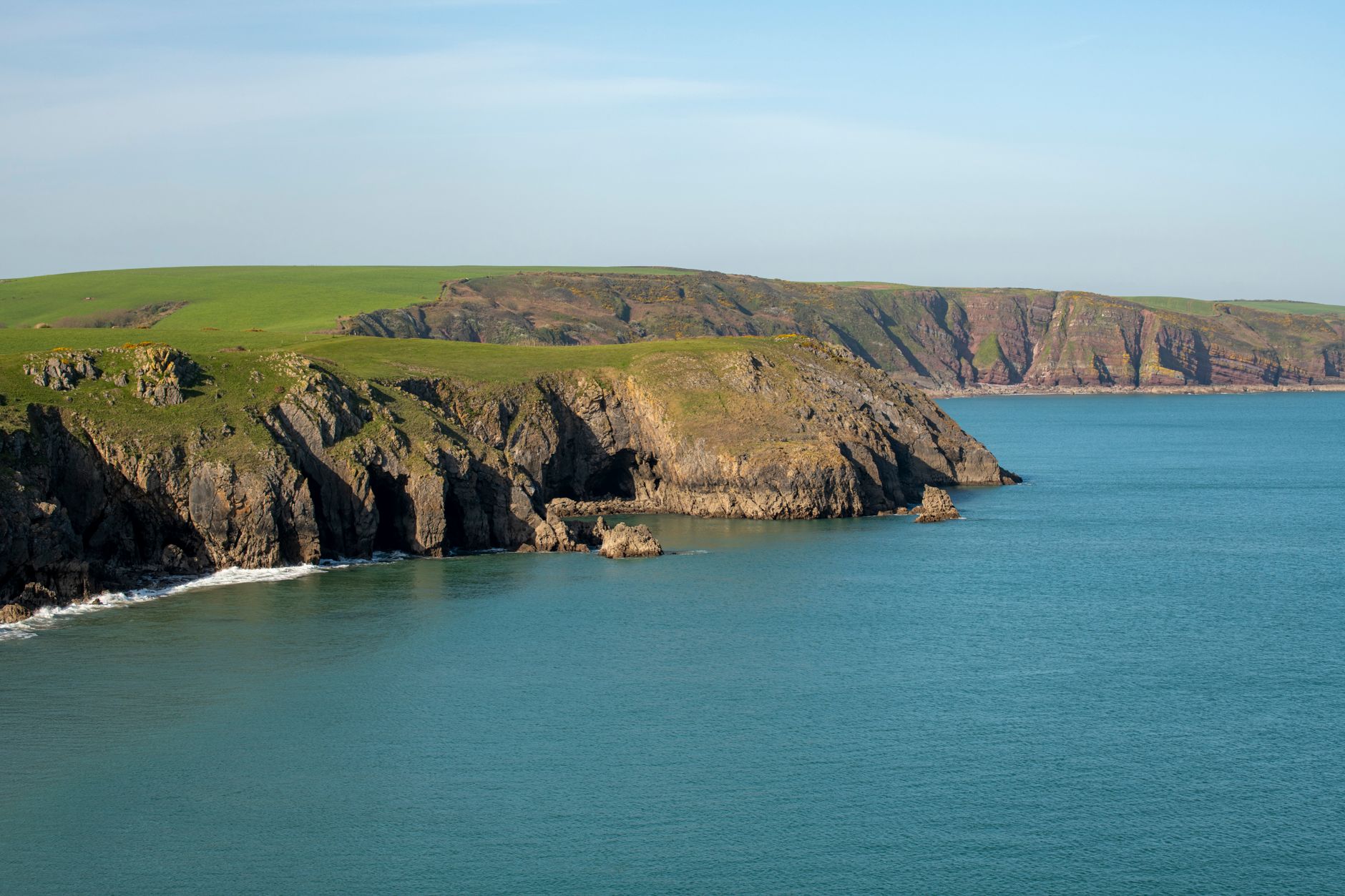
186 miles of cliff-top path along Britain’s only fully coastal National Park — walkable end to end in a fortnight, or in any one of over a hundred shorter circular sections, with a genuinely useful bus network built specifically for walkers.
-
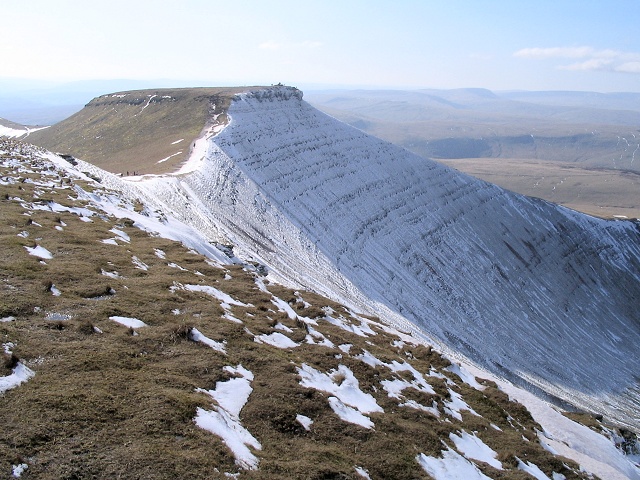
South Wales’ highest peak is genuinely achievable for a reasonably fit family in good weather — but it’s still a proper mountain with a 4,000-year history, a memorial to a child who died lost on it, and weather that can turn in minutes. Here’s what to know before you go.
-
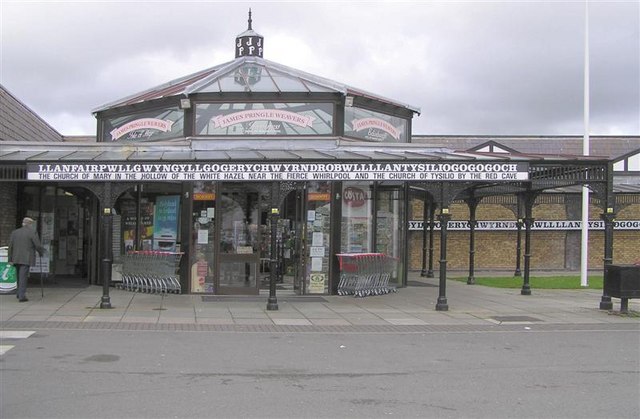
A quiet Anglesey village with 58 letters in its name, a Victorian publicity stunt behind it, and a railway station sign that draws around 200,000 visitors a year purely to have their photo taken next to it.
-
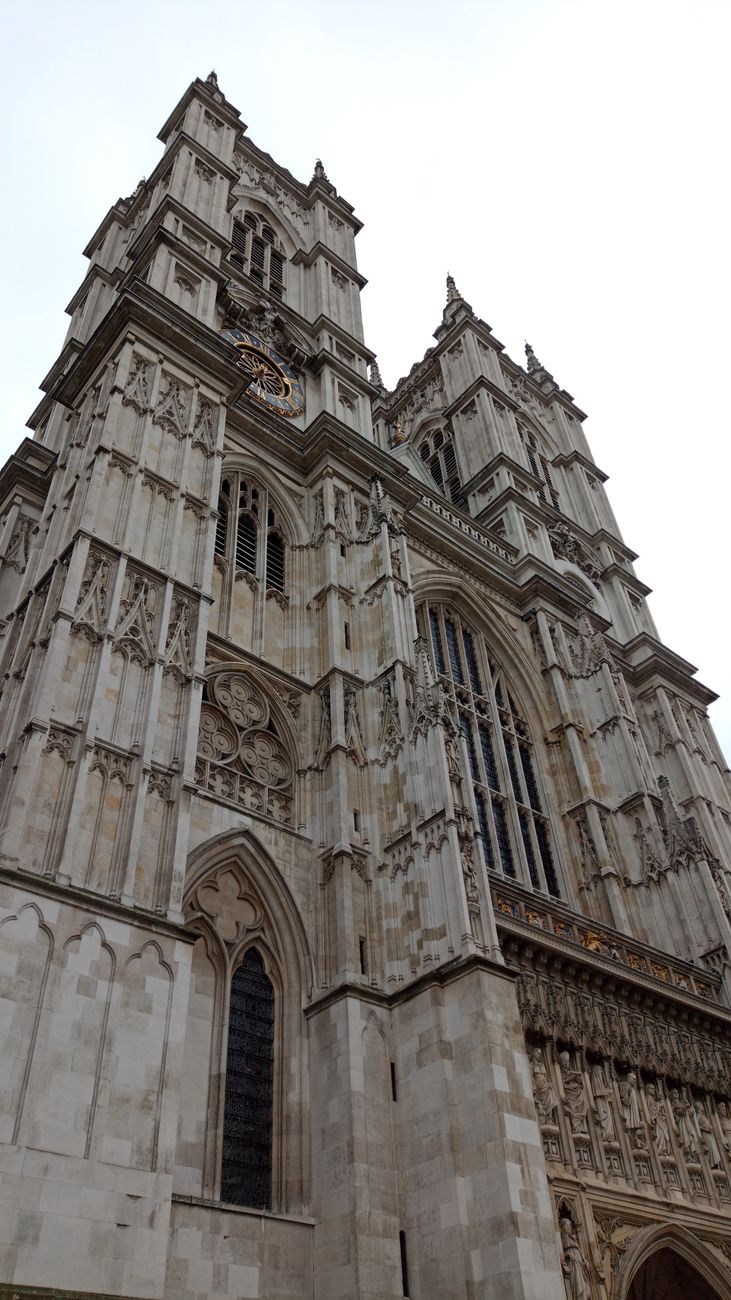
Every English and British monarch since 1066 has been crowned inside Westminster Abbey, and its floors and walls hold the tombs of kings, scientists and poets alike — a working church first, a visitor attraction second, which is exactly why so many people arrive unsure whether they can actually go inside.
-
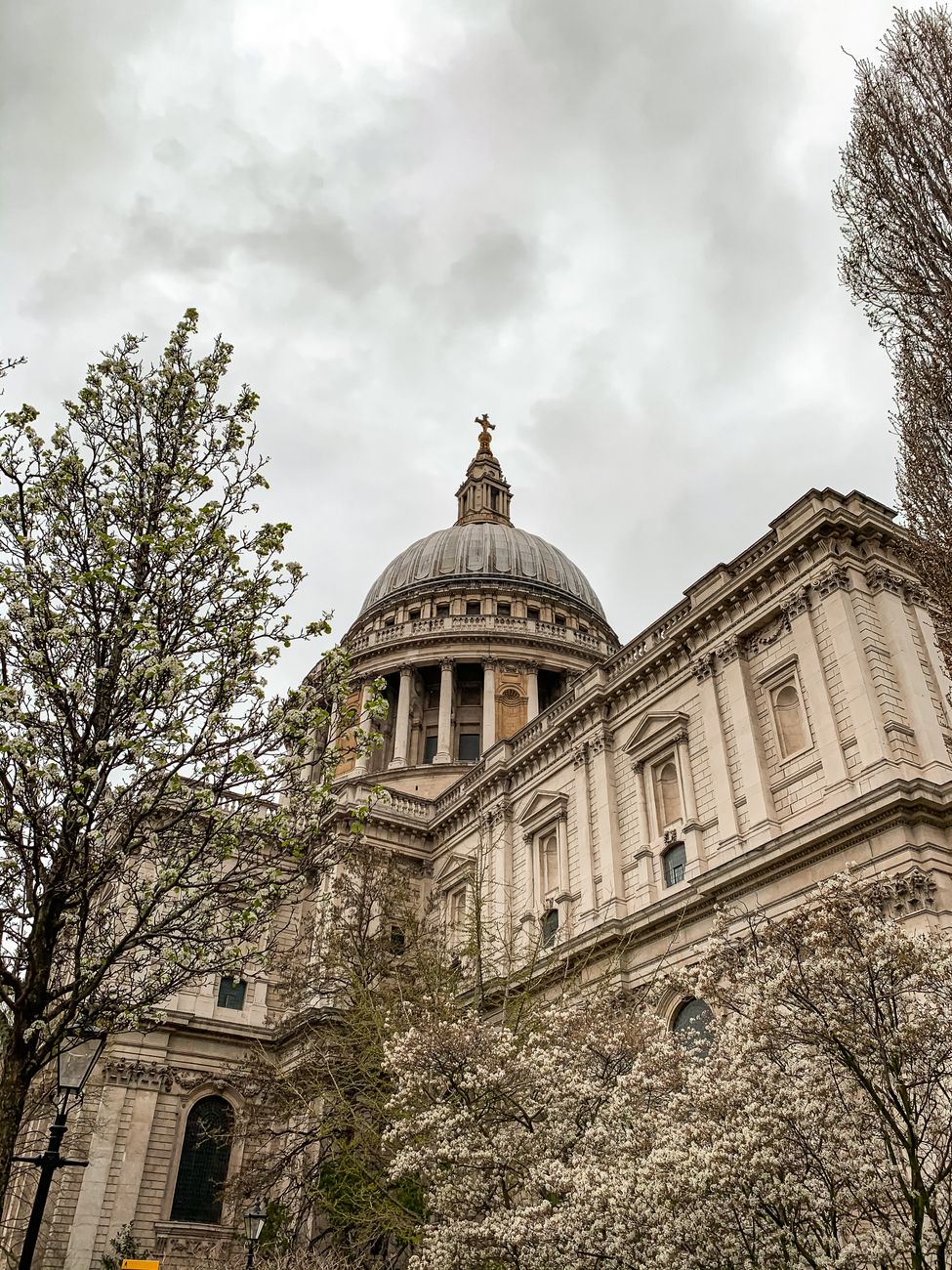
Christopher Wren’s dome has watched over London since 1710, survived a direct hit during the Blitz that made it the single most famous image of wartime Britain, and hosted everything from Nelson’s funeral to a royal wedding watched by 750 million people.
-

England’s oldest cathedral has survived Viking raids, a devastating fire, an archbishop’s assassination, centuries of pilgrimage, the Reformation, and the Luftwaffe — and its stones still carry the carved names of the pilgrims who came to see all of it happen.
-
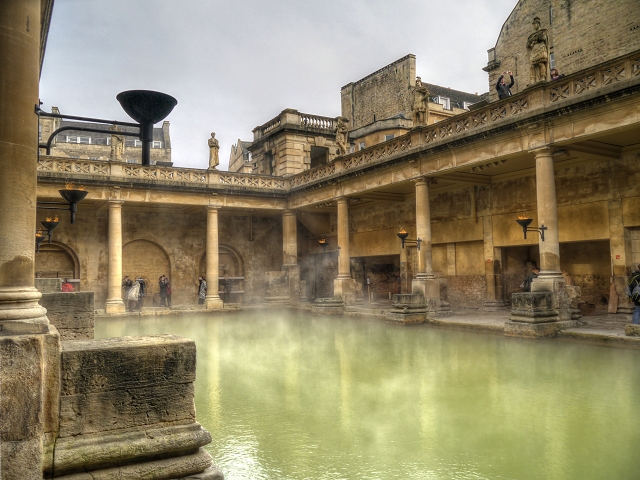
Nearly 2,000 years old and still fed by a natural hot spring, the Roman Baths in Bath let you walk the same paved edges Roman bathers once stood on — just don’t be tempted to dip a toe in, the water hasn’t been safe to touch since 1978.
-
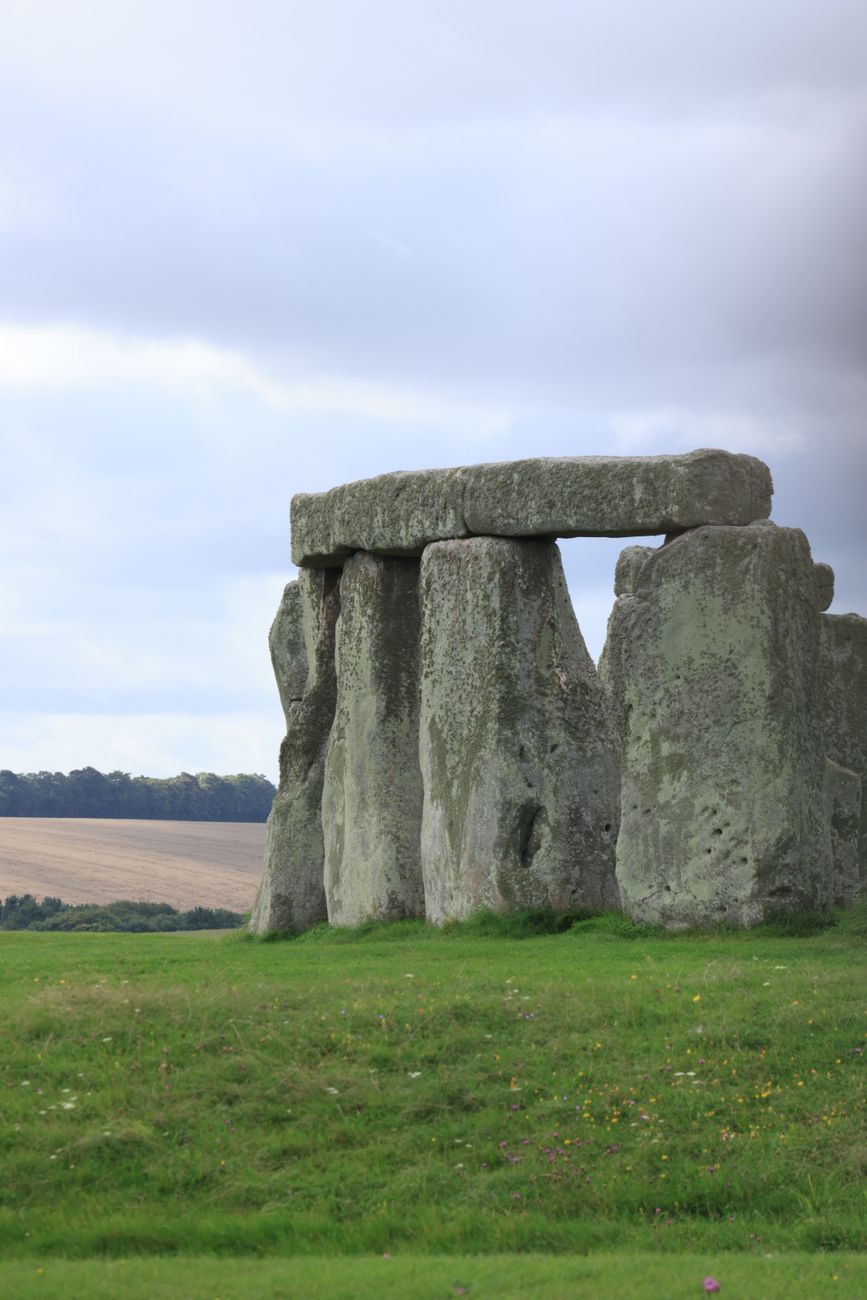
A ring of stones on Salisbury Plain that has outlasted the empires that came after it — Stonehenge took over 1,500 years to build, aligns precisely with the summer and winter solstice sun, and still draws thousands of people to stand among the stones for free, twice a year, at dawn.
-
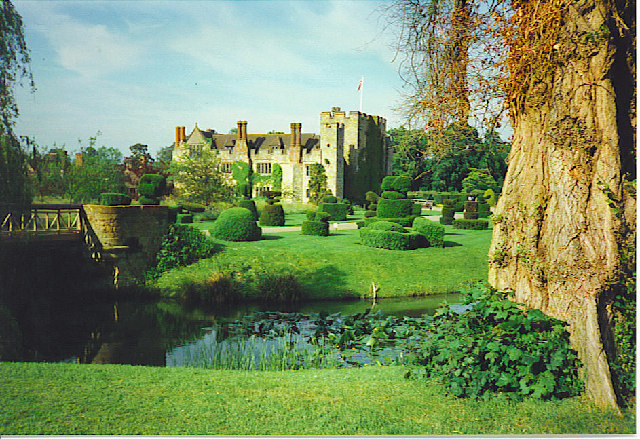
A double-moated Tudor manor in the Kent countryside, Hever Castle was Anne Boleyn’s childhood home before Henry VIII came courting — and, a few centuries and one Astor fortune later, gained a water maze, a triathlon course and a genuinely excellent set of gardens along the way.