UNESCO World Heritage Sites
-

Five thousand years of history in five places. From a Neolithic stone circle to the Roman frontier, these are the British World Heritage Sites that best explain how Britain came to be.
-
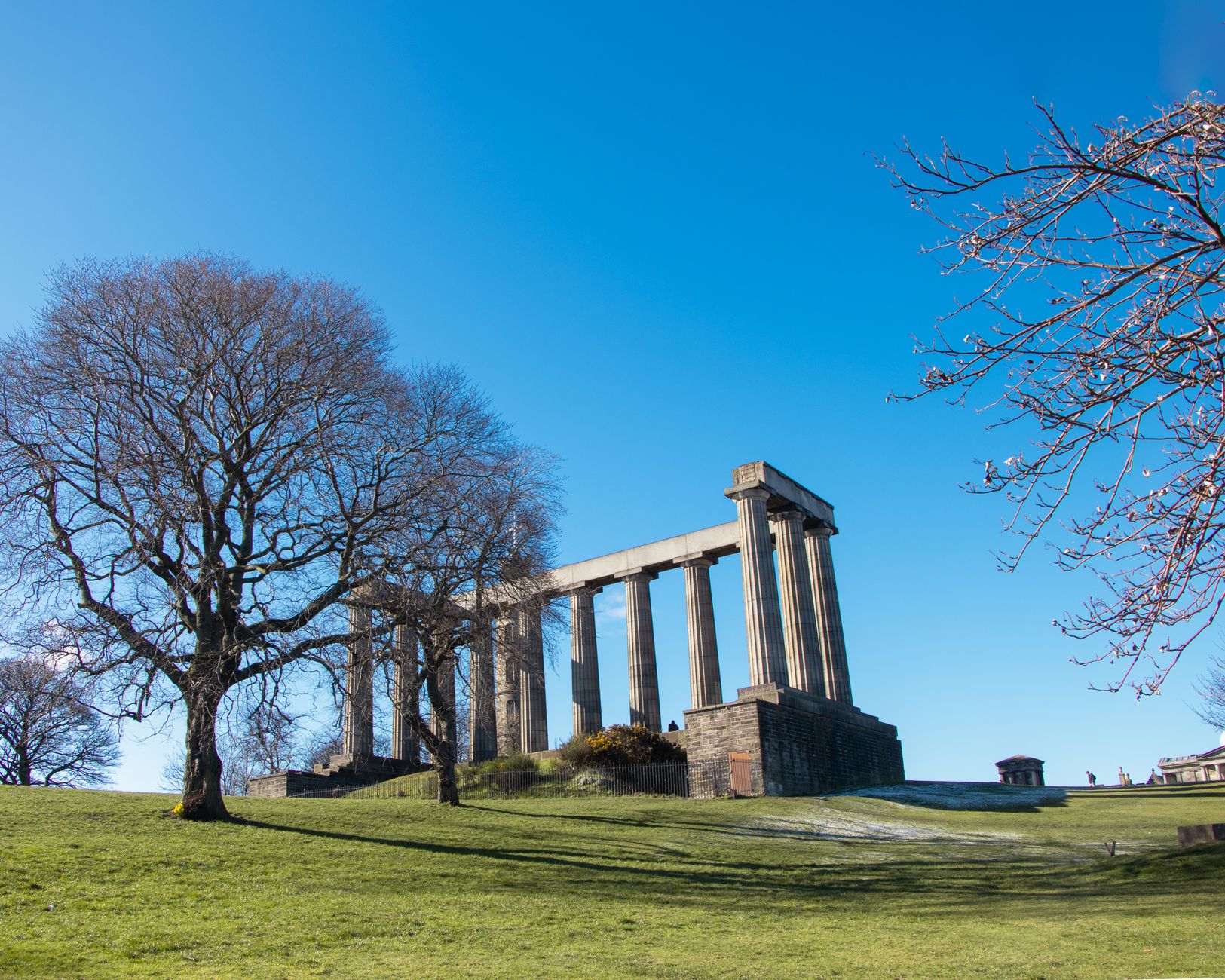
An unfinished Parthenon nicknamed Edinburgh’s Disgrace, a tower with a 200-year-old time-drop tradition that just came back to life, and the city’s best free view — Calton Hill is a genuine UNESCO landmark, not just a photo stop.
-

Scotland’s largest stone circle, free to visit year-round, sits at the centre of a Neolithic landscape that’s still actively being excavated — including a real Time Team dig that returned to the site in July 2026.
-
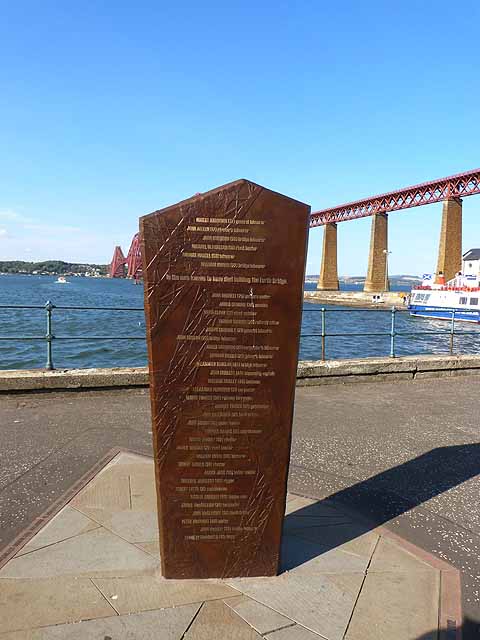
Built as a deliberate answer to the deadliest bridge disaster in British history, the Forth Bridge is still the icon it was designed to be — here’s the engineering story, the human cost, and exactly where to stand for the best view.
-
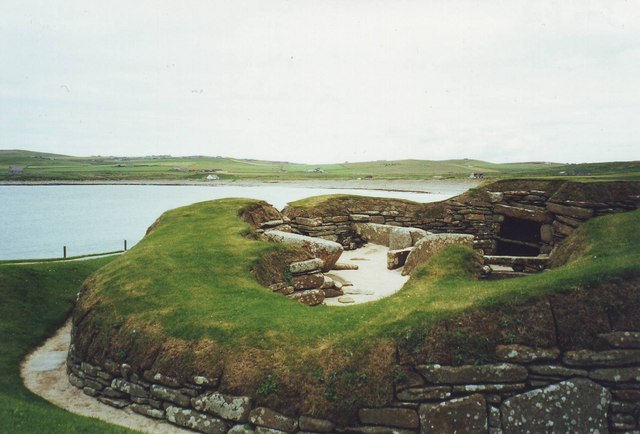
A storm uncovered it in 1850, and it’s been rewriting the timeline of prehistoric Britain ever since — here’s what makes Orkney’s Neolithic village older than Stonehenge, and everything you need to visit it.
-
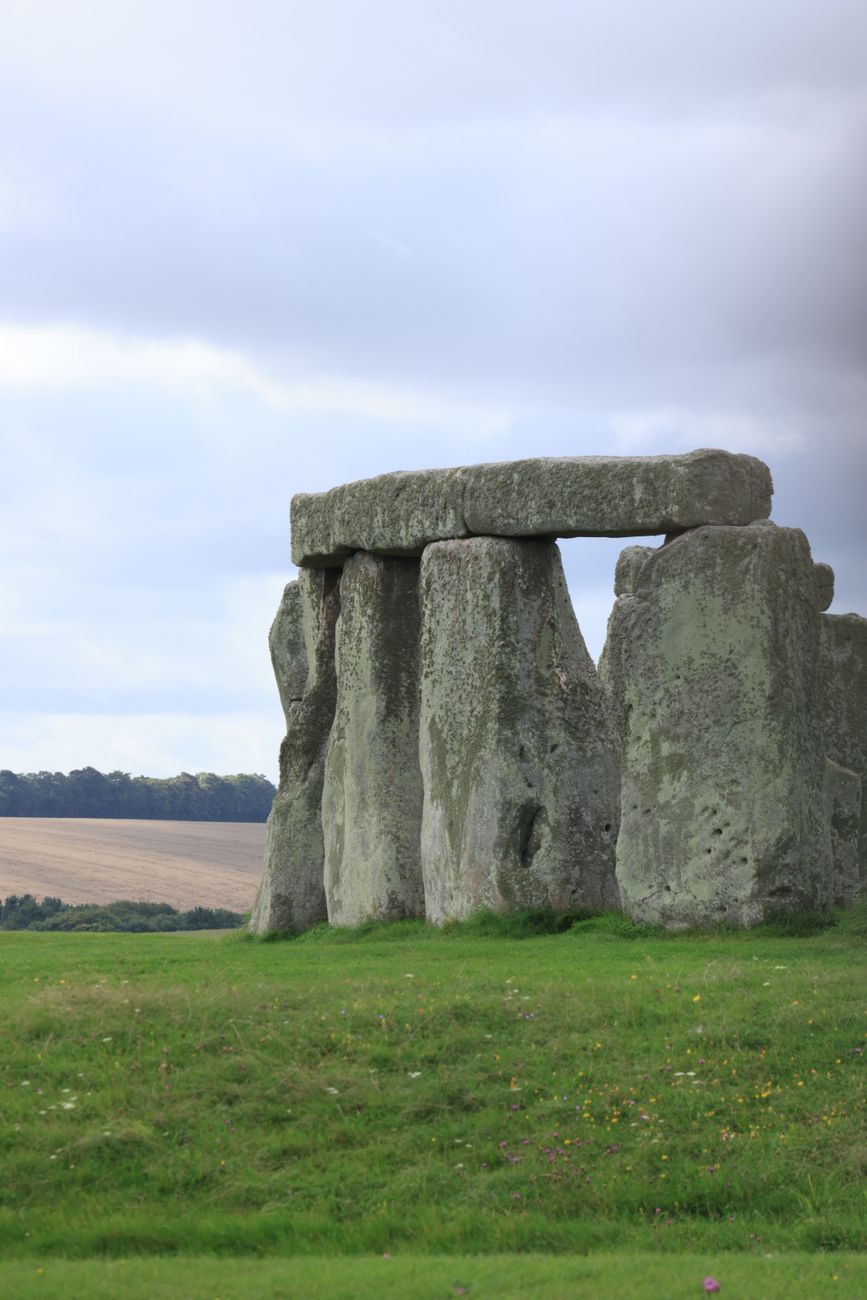
A ring of stones on Salisbury Plain that has outlasted the empires that came after it — Stonehenge took over 1,500 years to build, aligns precisely with the summer and winter solstice sun, and still draws thousands of people to stand among the stones for free, twice a year, at dawn.
-

A quiet Shropshire valley where a Quaker ironmaster’s furnace and the world’s first iron bridge quietly launched the Industrial Revolution — Ironbridge Gorge is Britain’s founding UNESCO World Heritage Site.