Landmarks
-

A cathedral founded by a 6th-century Welsh saint, nearly destroyed by a wartime landmine, and rebuilt around a controversial 16-foot aluminium Christ — now one of Cardiff’s most popular concert venues too.
-
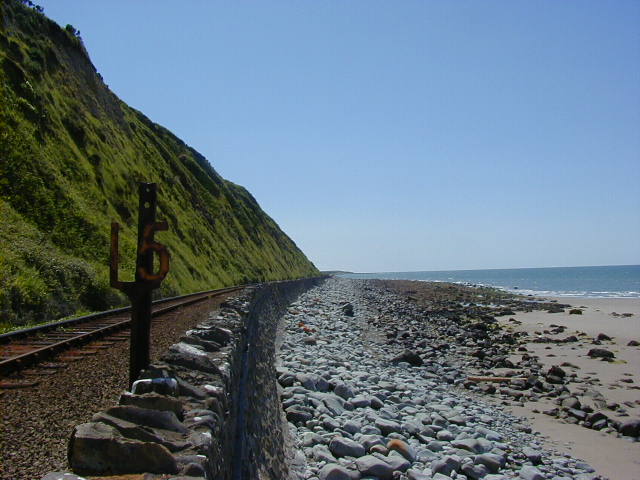
A castle built right on the seashore in 1274 now looks out over a mile of dunes and open sand — the coastline has actually retreated 1,000 metres since, and the beach that’s grown in its place is one of the most striking in Wales.
-
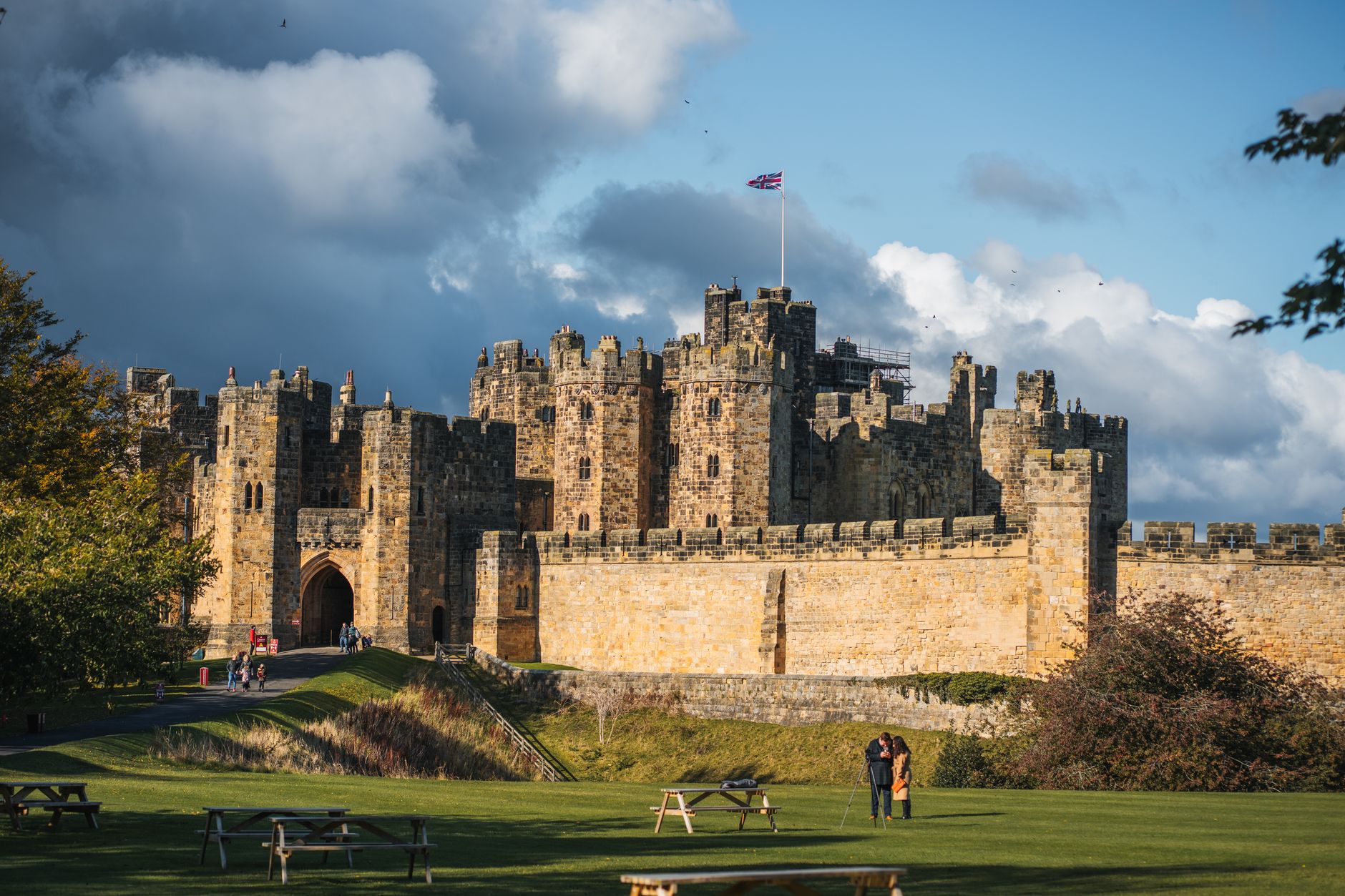
England’s second-largest inhabited castle, home to the same family for over 700 years, a genuine Wars of the Roses battleground, and — for a certain generation — the unmistakable exterior of Hogwarts itself.
-
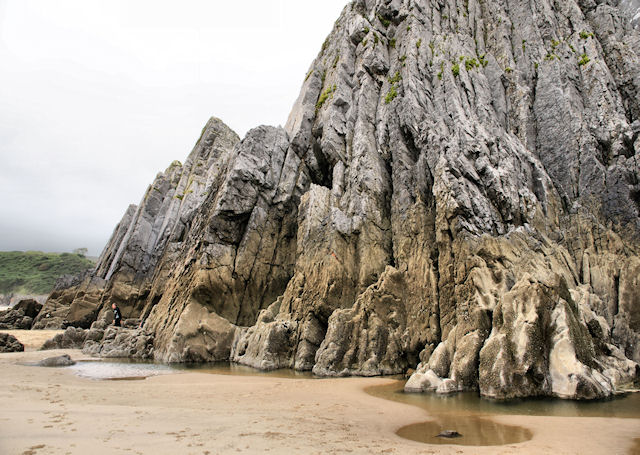
A 5-star family campsite a short woodland walk from one of Britain’s most photographed beaches, with a ruined Norman castle on the headland and a genuinely tidal river to cross before you reach the sand.
-
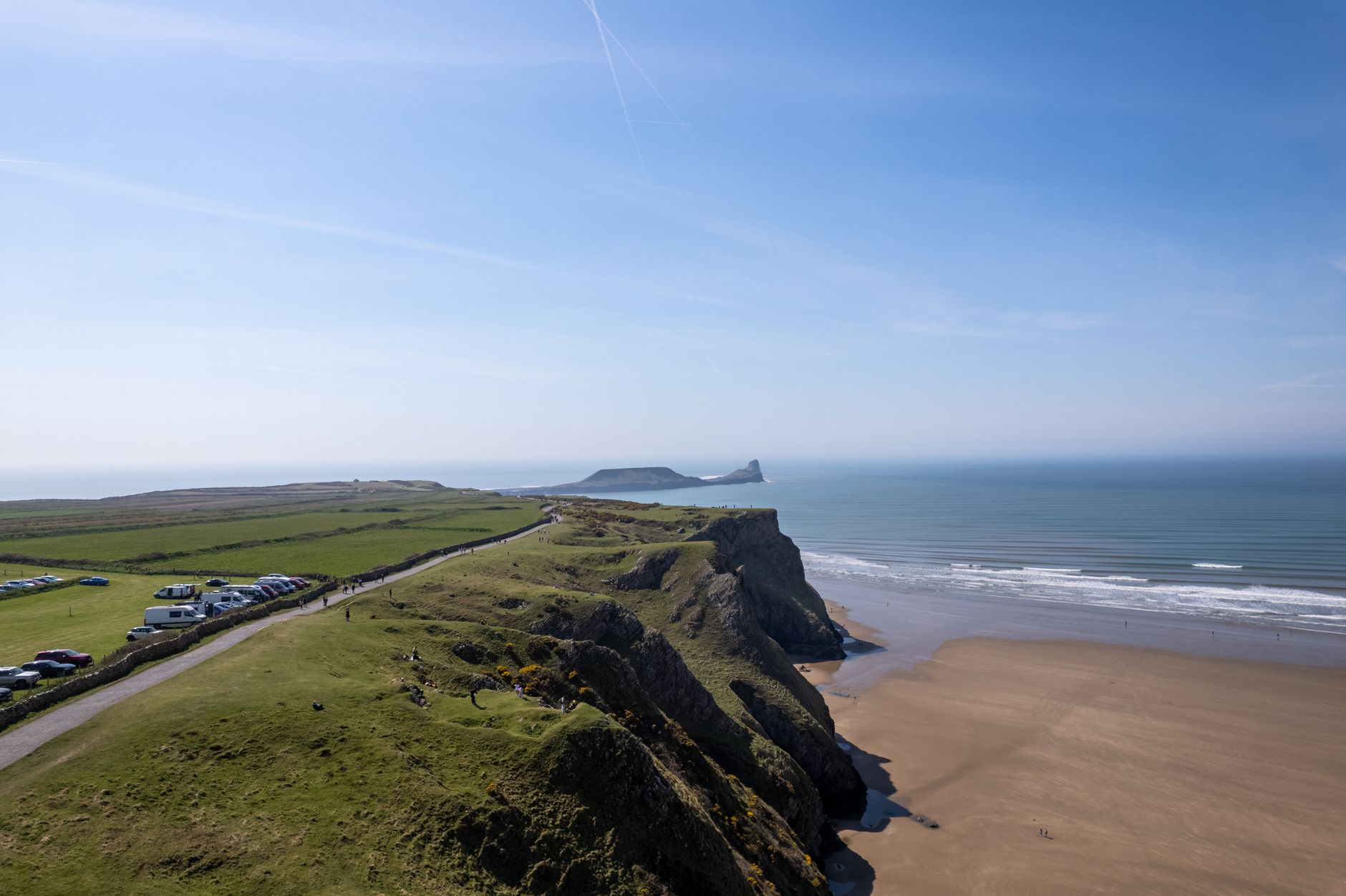
A three-mile sweep of Gower sand regularly ranked among the world’s best beaches, a shipwreck slowly resurfacing from the sand, and a tidal island you can only reach for five hours a day — here’s what to know before you time your visit.
-

An Italianate fantasy village on a Welsh estuary, built over 50 years by one architect and made famous by a 1960s spy series — here’s exactly where to find it, and what to know before you go.
-
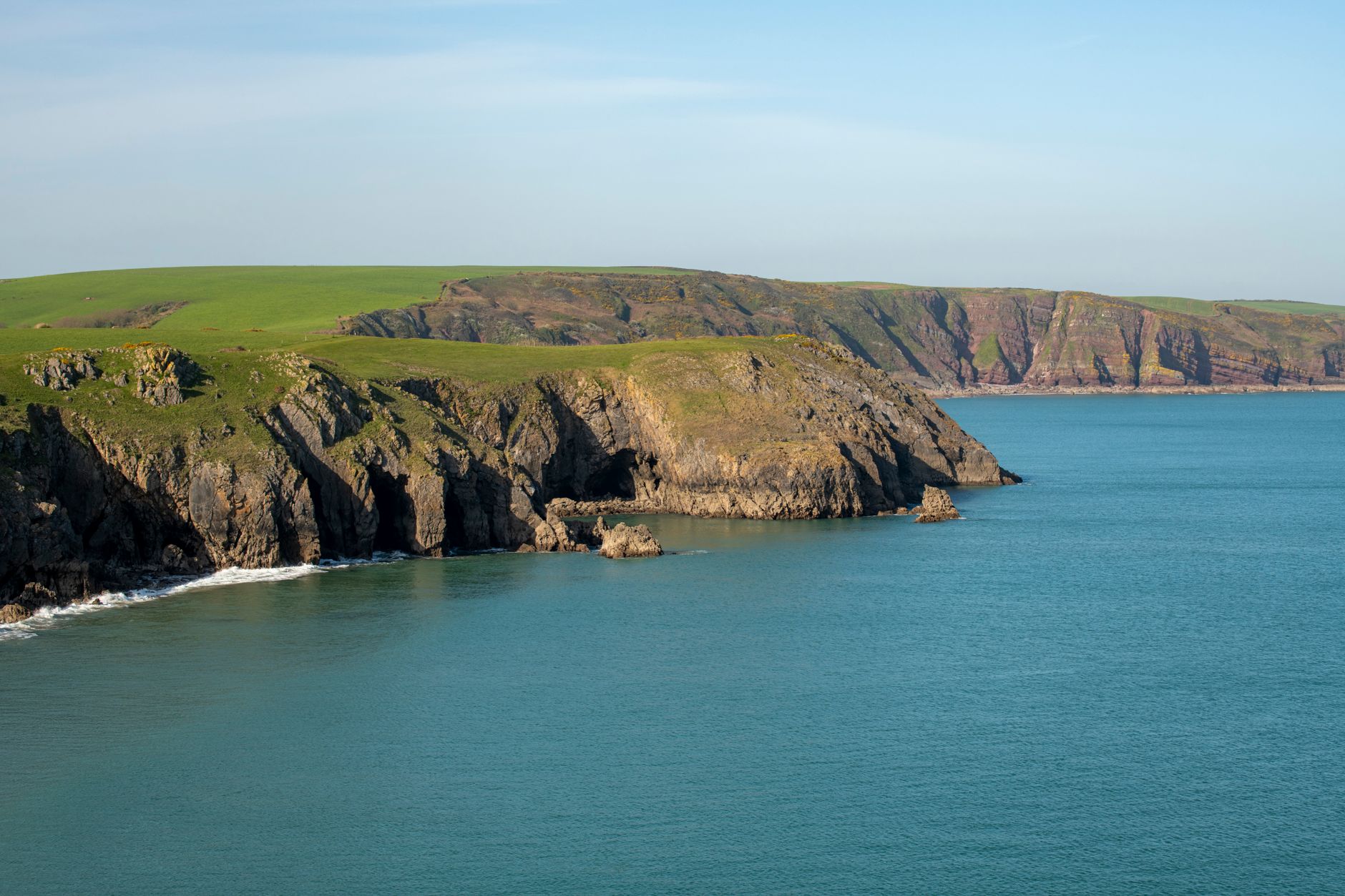
186 miles of cliff-top path along Britain’s only fully coastal National Park — walkable end to end in a fortnight, or in any one of over a hundred shorter circular sections, with a genuinely useful bus network built specifically for walkers.
-
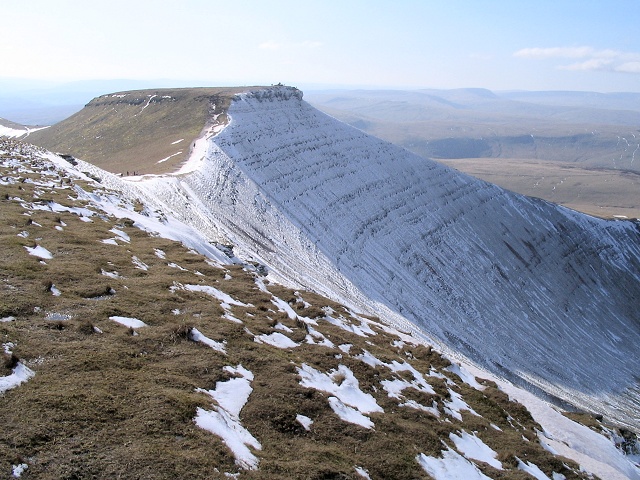
South Wales’ highest peak is genuinely achievable for a reasonably fit family in good weather — but it’s still a proper mountain with a 4,000-year history, a memorial to a child who died lost on it, and weather that can turn in minutes. Here’s what to know before you go.
-
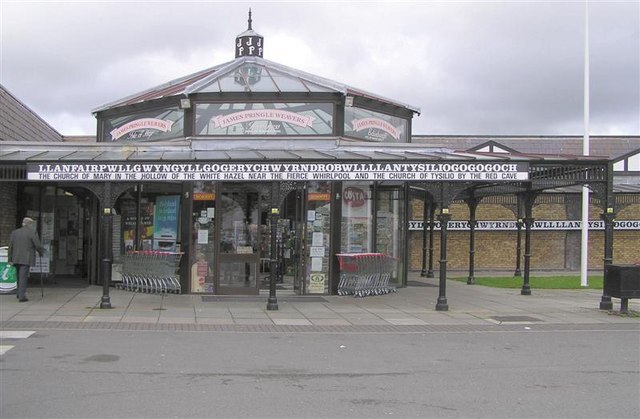
A quiet Anglesey village with 58 letters in its name, a Victorian publicity stunt behind it, and a railway station sign that draws around 200,000 visitors a year purely to have their photo taken next to it.
-
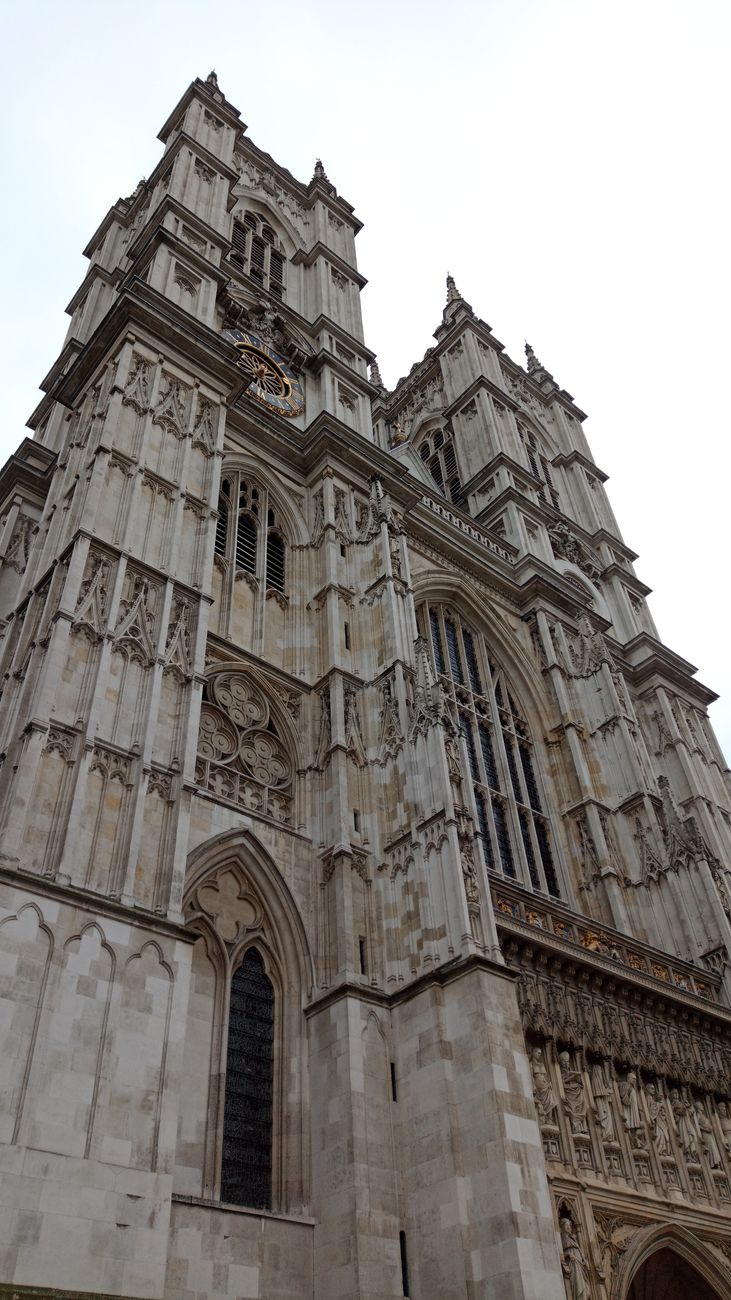
Every English and British monarch since 1066 has been crowned inside Westminster Abbey, and its floors and walls hold the tombs of kings, scientists and poets alike — a working church first, a visitor attraction second, which is exactly why so many people arrive unsure whether they can actually go inside.