South Wales
-

A church supposedly built wherever a Welsh warlord found a white ox with a black spot on its forehead, containing the oldest fabric of any cathedral in Wales — and a genuinely unusual two-level structure most visitors don’t expect.
-
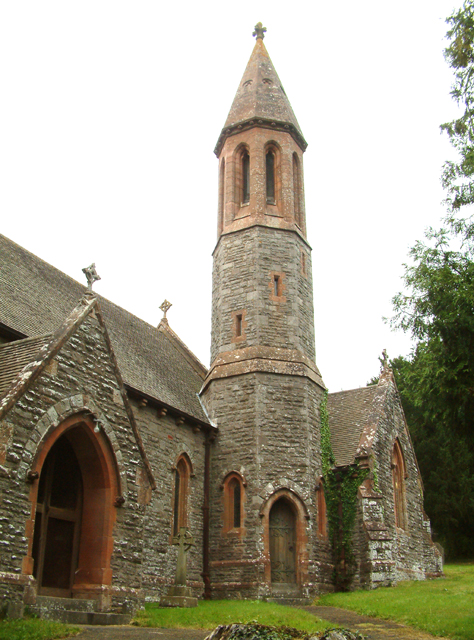
A Norman priory founded in 1093, home to the original regimental colours carried at Rorke’s Drift, sitting inside the only walled cathedral close in Wales — and yet one of Britain’s youngest cathedrals, only 100 years old.
-

Deliberately built in a hollow so Viking raiders couldn’t spot it from the sea, in Britain’s smallest city, where two pilgrimages here were once said to count as one to Rome.
-

A cathedral founded by a 6th-century Welsh saint, nearly destroyed by a wartime landmine, and rebuilt around a controversial 16-foot aluminium Christ — now one of Cardiff’s most popular concert venues too.
-
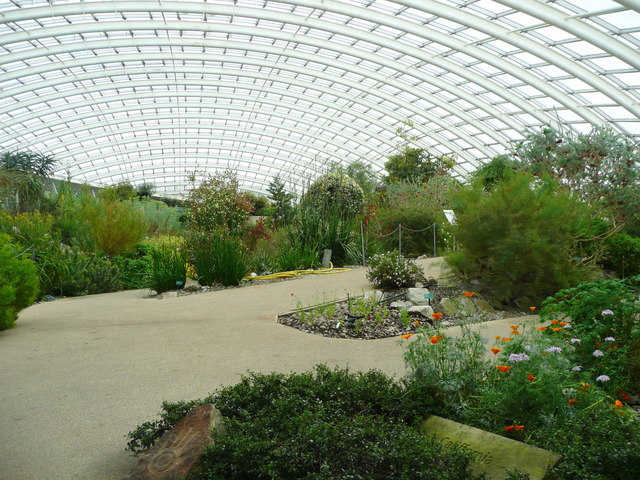
Built on the ruins of a burned-down Regency water park and centred on the world’s largest single-span glasshouse, this was the first new national botanic garden created anywhere in the UK in almost 200 years.
-
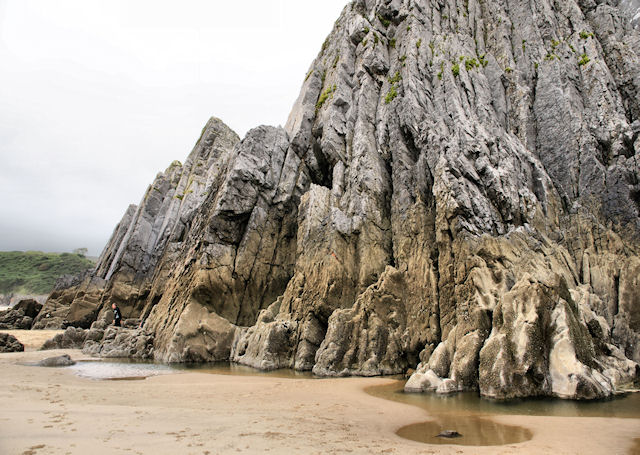
A 5-star family campsite a short woodland walk from one of Britain’s most photographed beaches, with a ruined Norman castle on the headland and a genuinely tidal river to cross before you reach the sand.
-
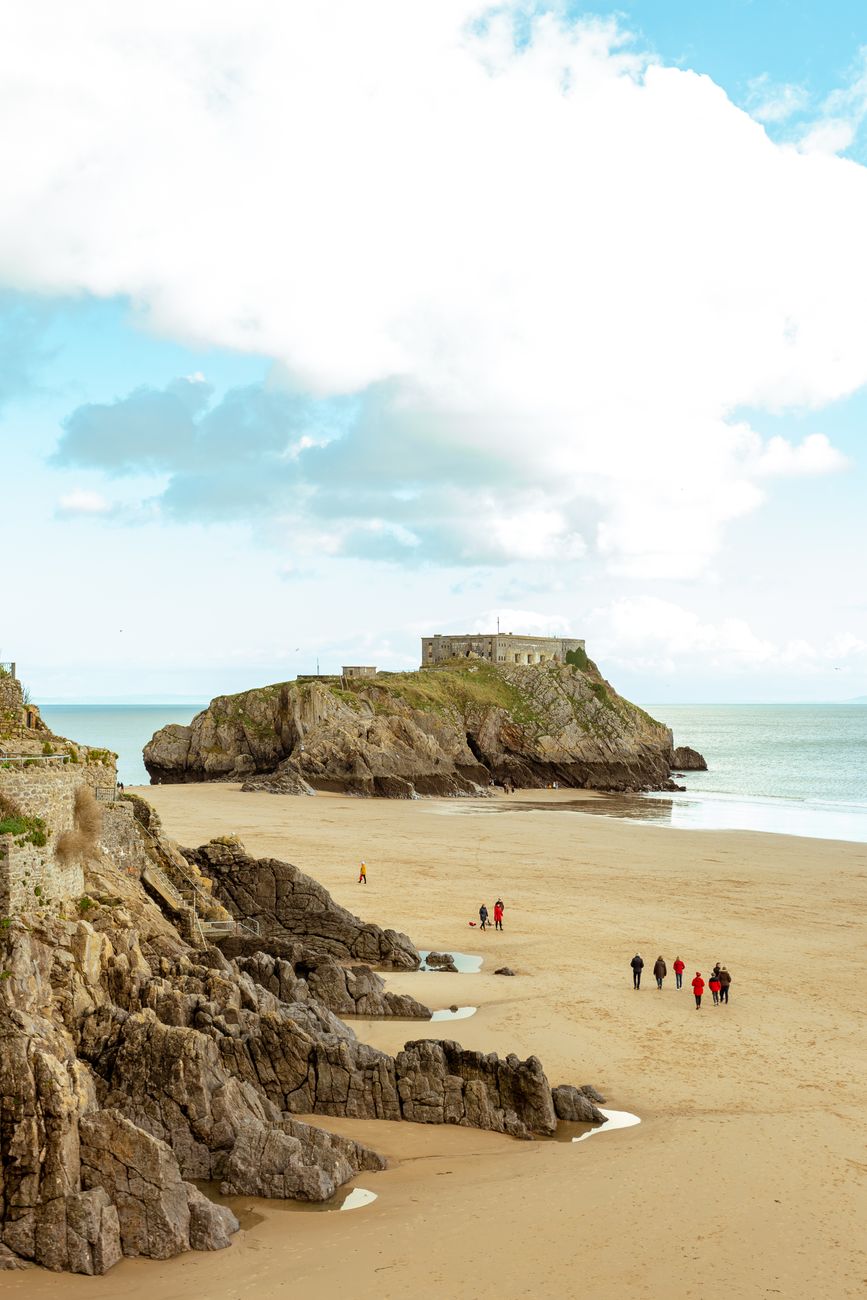
Once a year, this small Pembrokeshire seaside town closes its roads, lines its medieval walls with tens of thousands of spectators, and hosts one of the toughest full-distance triathlons on the planet.
-

A Victorian seaside resort, a vanished Butlins holiday camp, and the real-life home of Gavin & Stacey — plus one of the biggest tidal ranges on Earth, which genuinely changes how Whitmore Bay looks from one hour to the next.
-
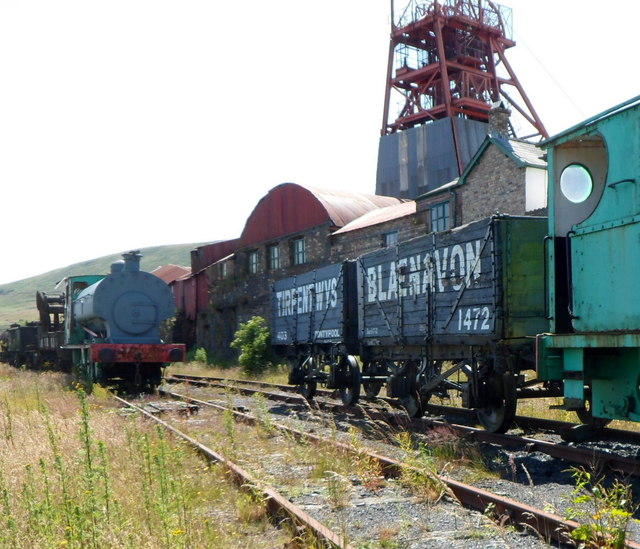
A real Welsh coal mine, closed in 1980 and reopened as a free museum three years later, where former miners still take visitors 300 feet underground into the original workings.
-
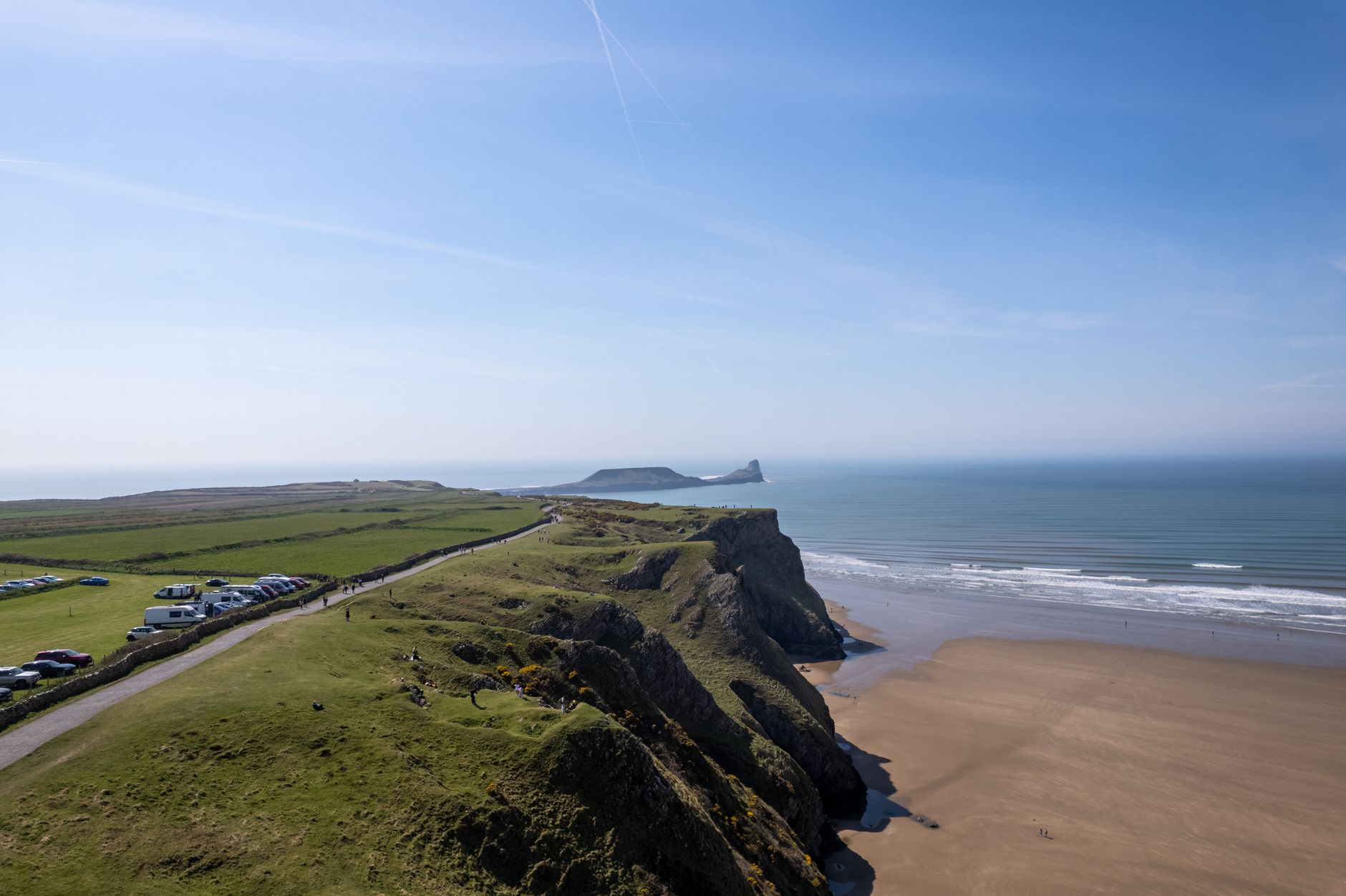
A three-mile sweep of Gower sand regularly ranked among the world’s best beaches, a shipwreck slowly resurfacing from the sand, and a tidal island you can only reach for five hours a day — here’s what to know before you time your visit.