South Wales
-
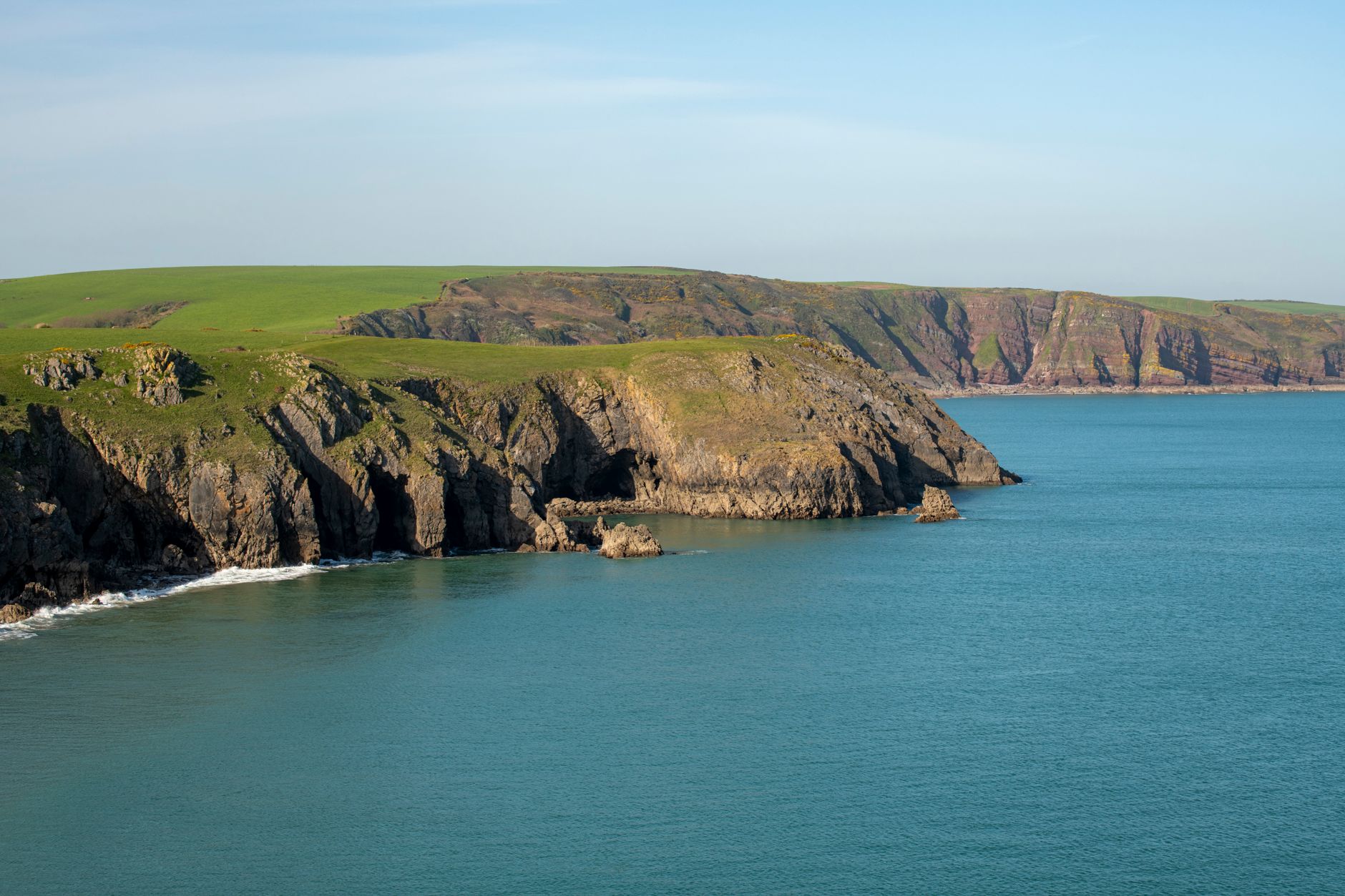
186 miles of cliff-top path along Britain’s only fully coastal National Park — walkable end to end in a fortnight, or in any one of over a hundred shorter circular sections, with a genuinely useful bus network built specifically for walkers.
-
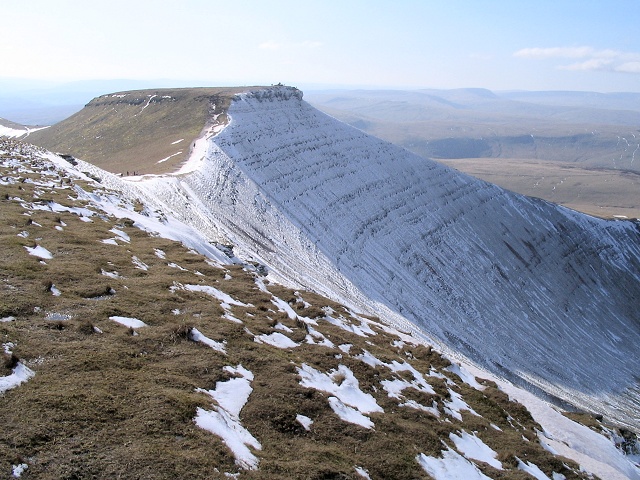
South Wales’ highest peak is genuinely achievable for a reasonably fit family in good weather — but it’s still a proper mountain with a 4,000-year history, a memorial to a child who died lost on it, and weather that can turn in minutes. Here’s what to know before you go.
-
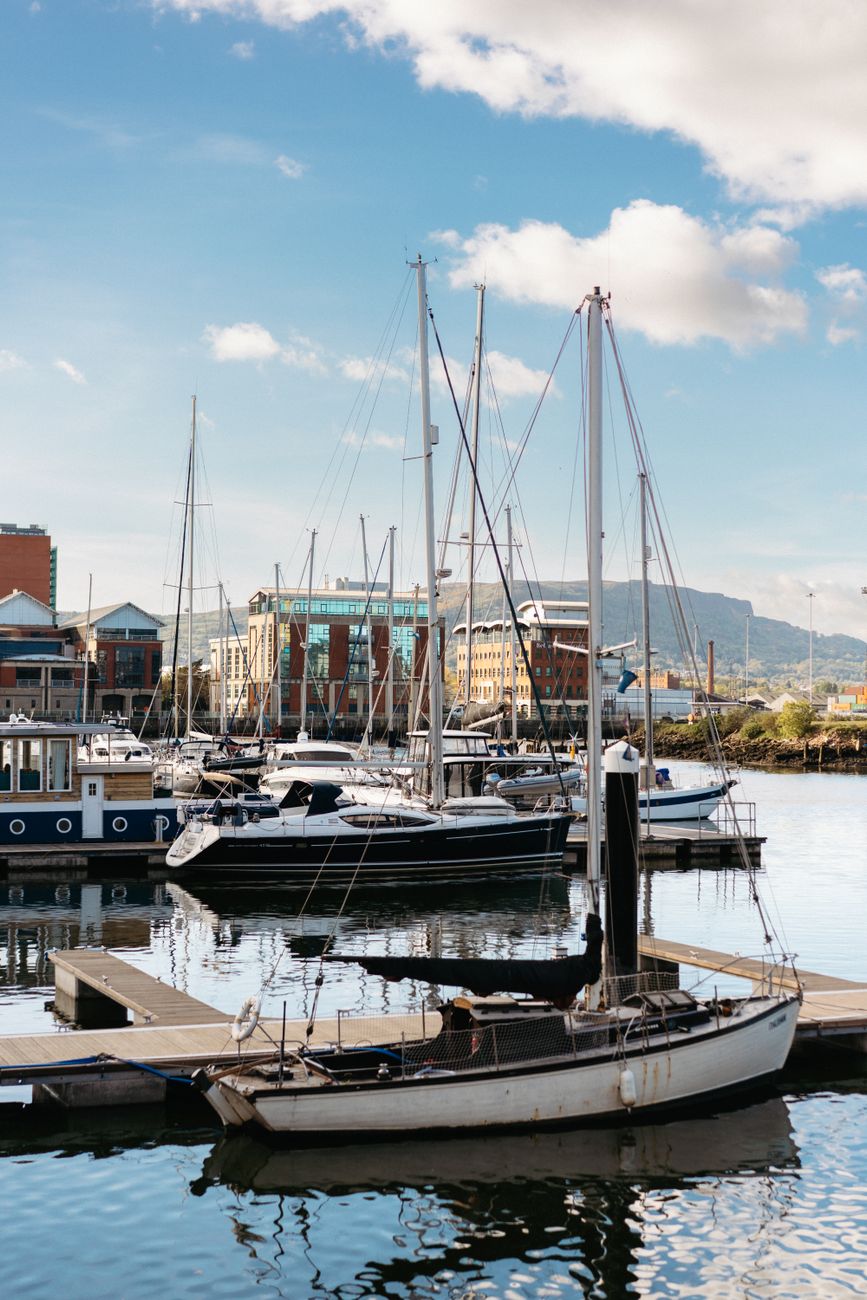
A Grade II-listed tinplate warehouse fused with a glass-and-slate extension, built to hold 300 years of Welsh industry on the exact dock where much of it once left the country.
-
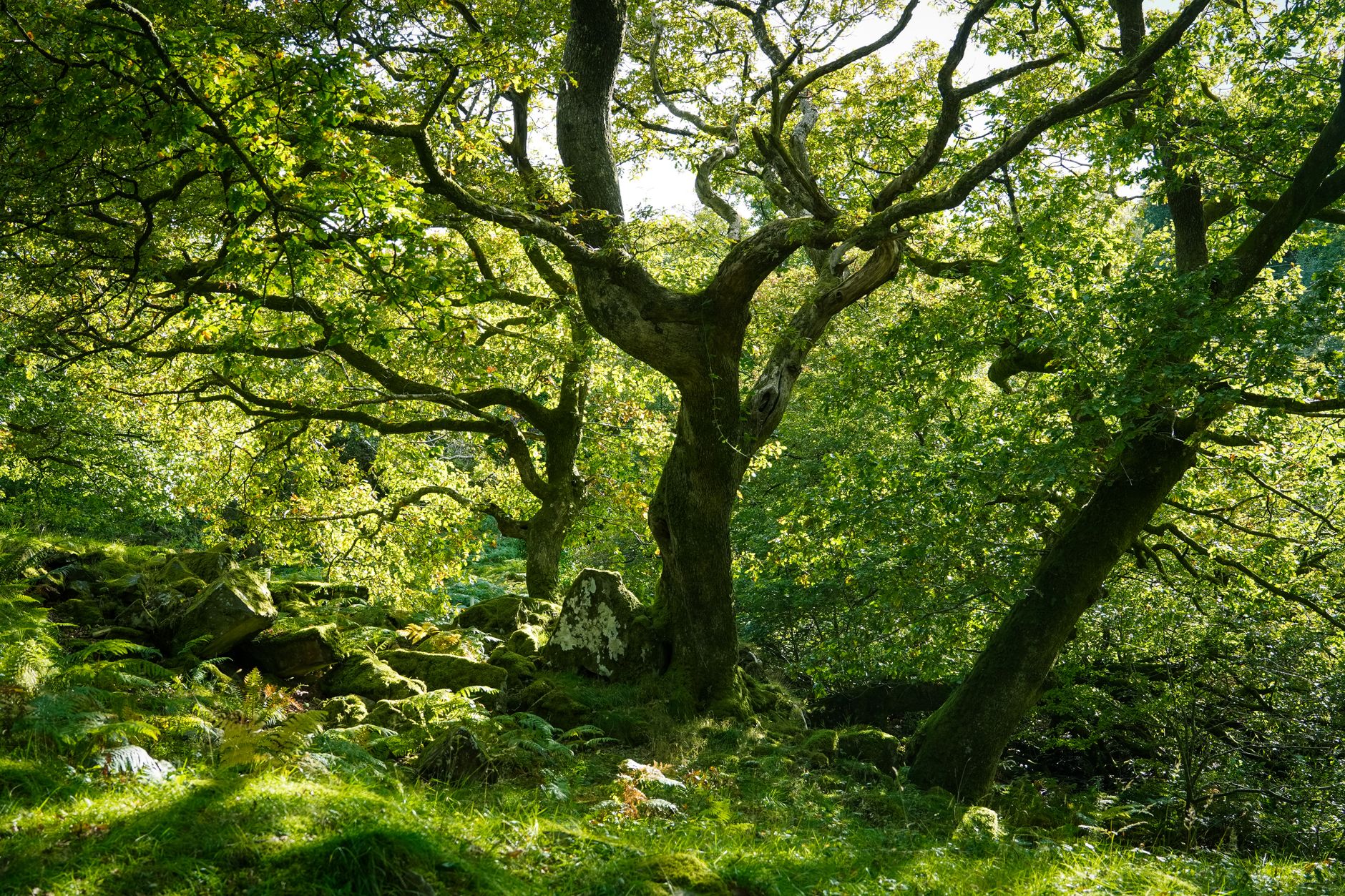
Wander one of Europe’s great sand dune systems, where rare fen orchids bloom above a Norman castle buried by the tide of sand — Kenfig National Nature Reserve is South Wales’ wildest corner.
-
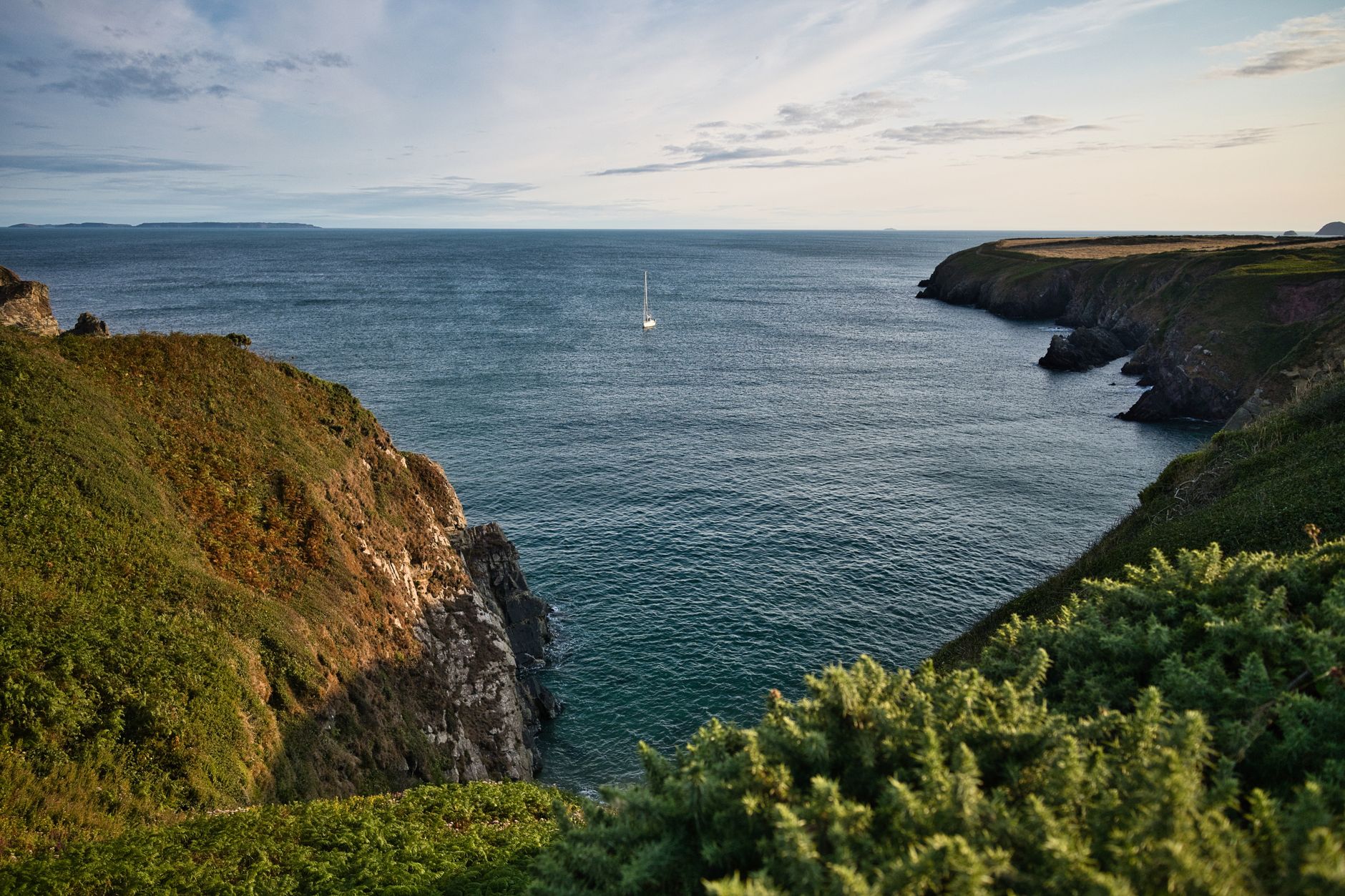
A gallery built from wool, wood and stone dust, holding part of a major British painter’s collection — and free to walk into on your way from the car park to St Davids Cathedral.
-
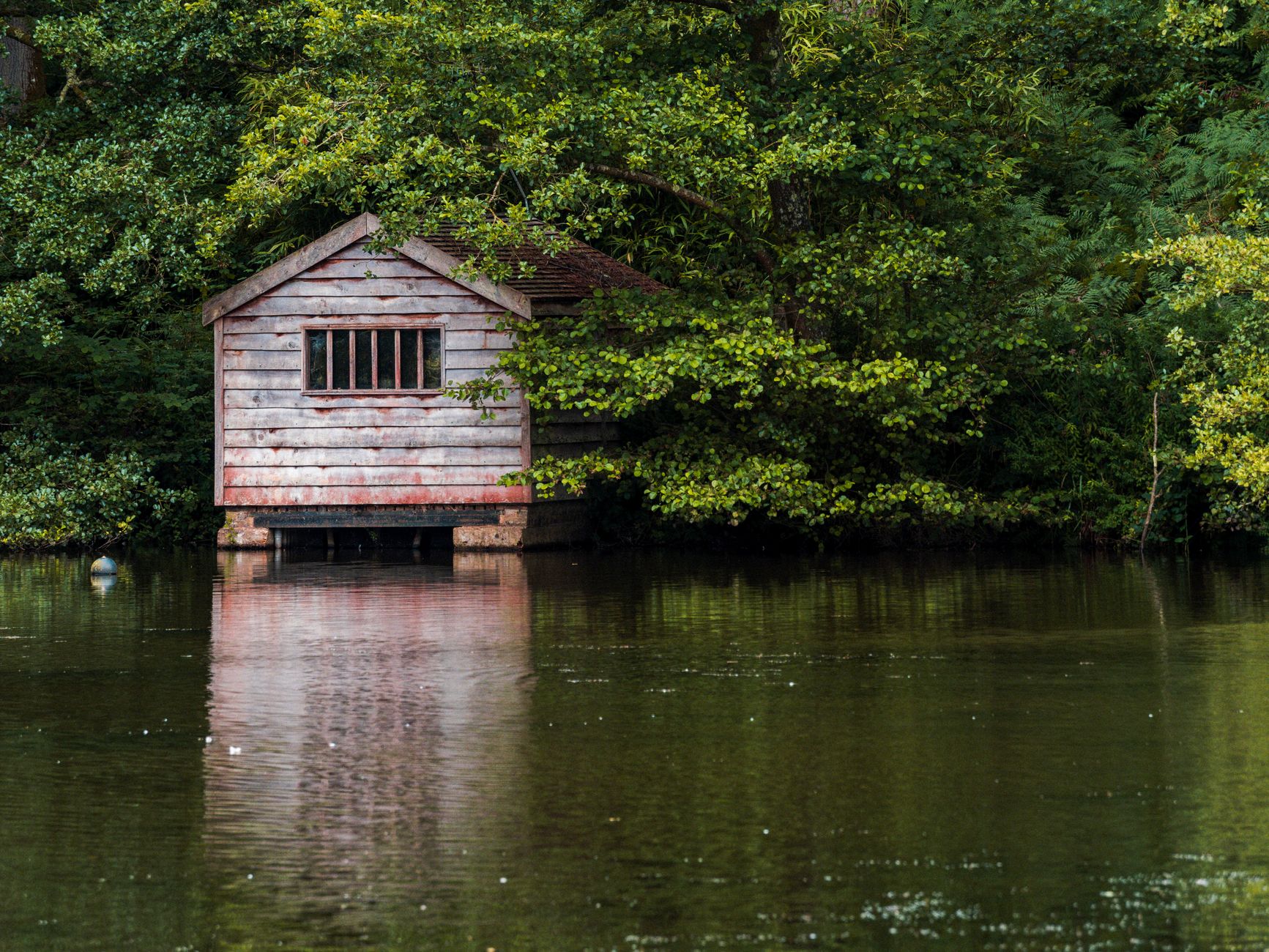
The last home of Wales’s most famous poet, perched on a cliff over the Tâf estuary — and the clifftop shed where he wrote until the day he left for New York and never came back.
-

Step into a working Welsh woollen mill turned museum, where a 1902 fire, a world war, and a nation’s identity were all spun from the same thread.
-
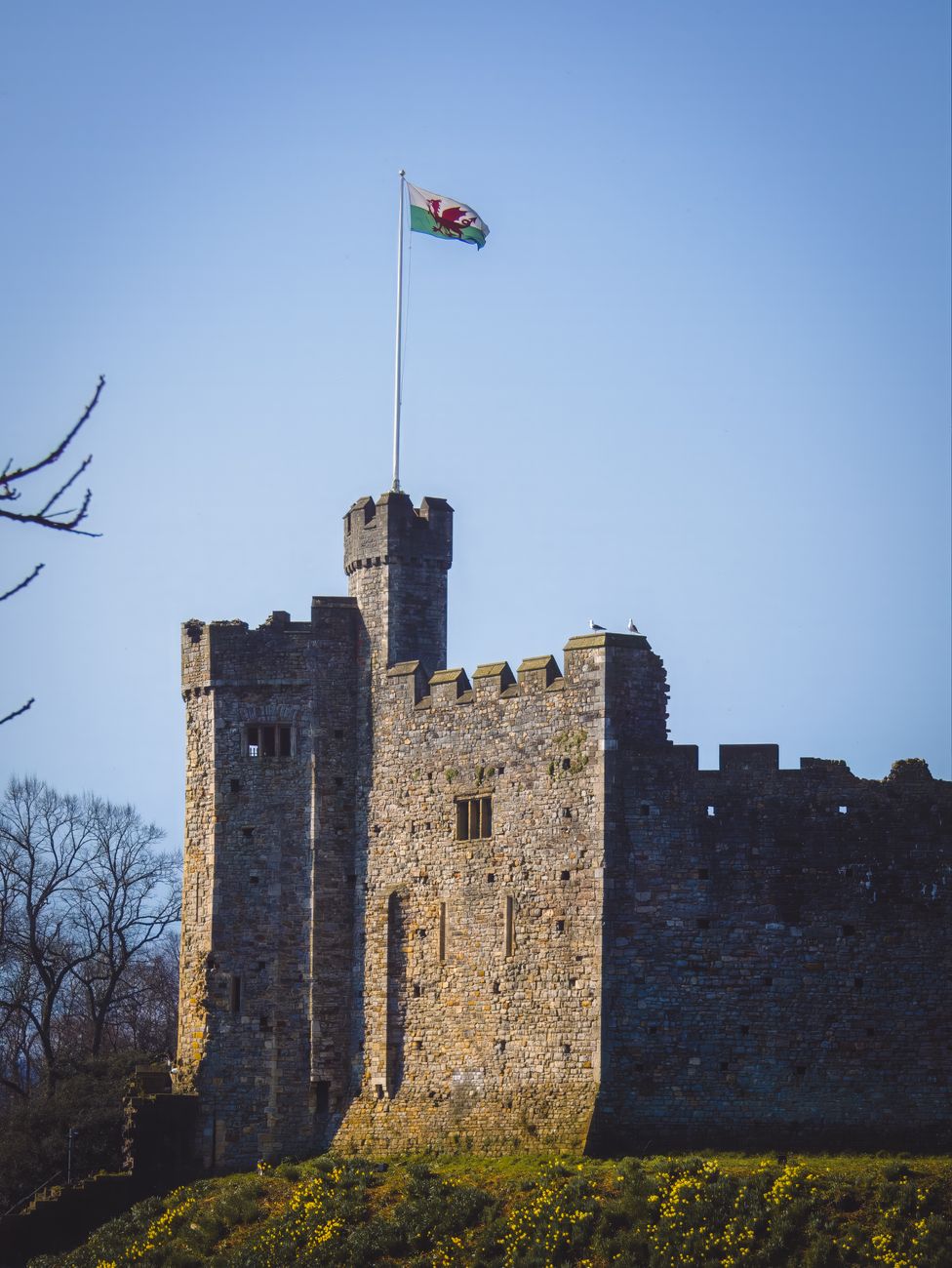
The castle where the Tudor dynasty began, and the only major fortress in Wales still run by the family that saved it from ruin.