History
-

A church supposedly built wherever a Welsh warlord found a white ox with a black spot on its forehead, containing the oldest fabric of any cathedral in Wales — and a genuinely unusual two-level structure most visitors don’t expect.
-
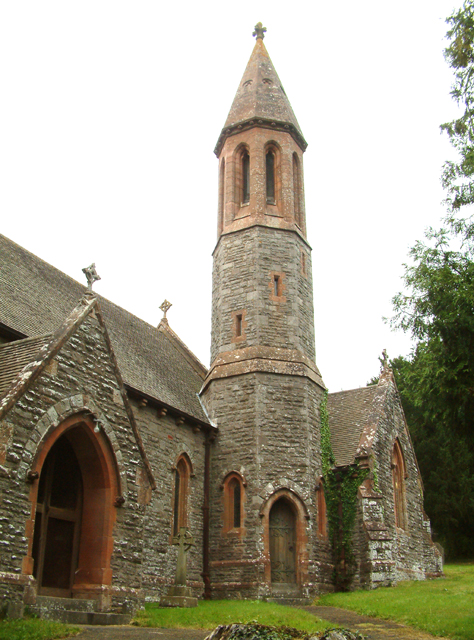
A Norman priory founded in 1093, home to the original regimental colours carried at Rorke’s Drift, sitting inside the only walled cathedral close in Wales — and yet one of Britain’s youngest cathedrals, only 100 years old.
-

Deliberately built in a hollow so Viking raiders couldn’t spot it from the sea, in Britain’s smallest city, where two pilgrimages here were once said to count as one to Rome.
-

A cathedral founded by a 6th-century Welsh saint, nearly destroyed by a wartime landmine, and rebuilt around a controversial 16-foot aluminium Christ — now one of Cardiff’s most popular concert venues too.
-
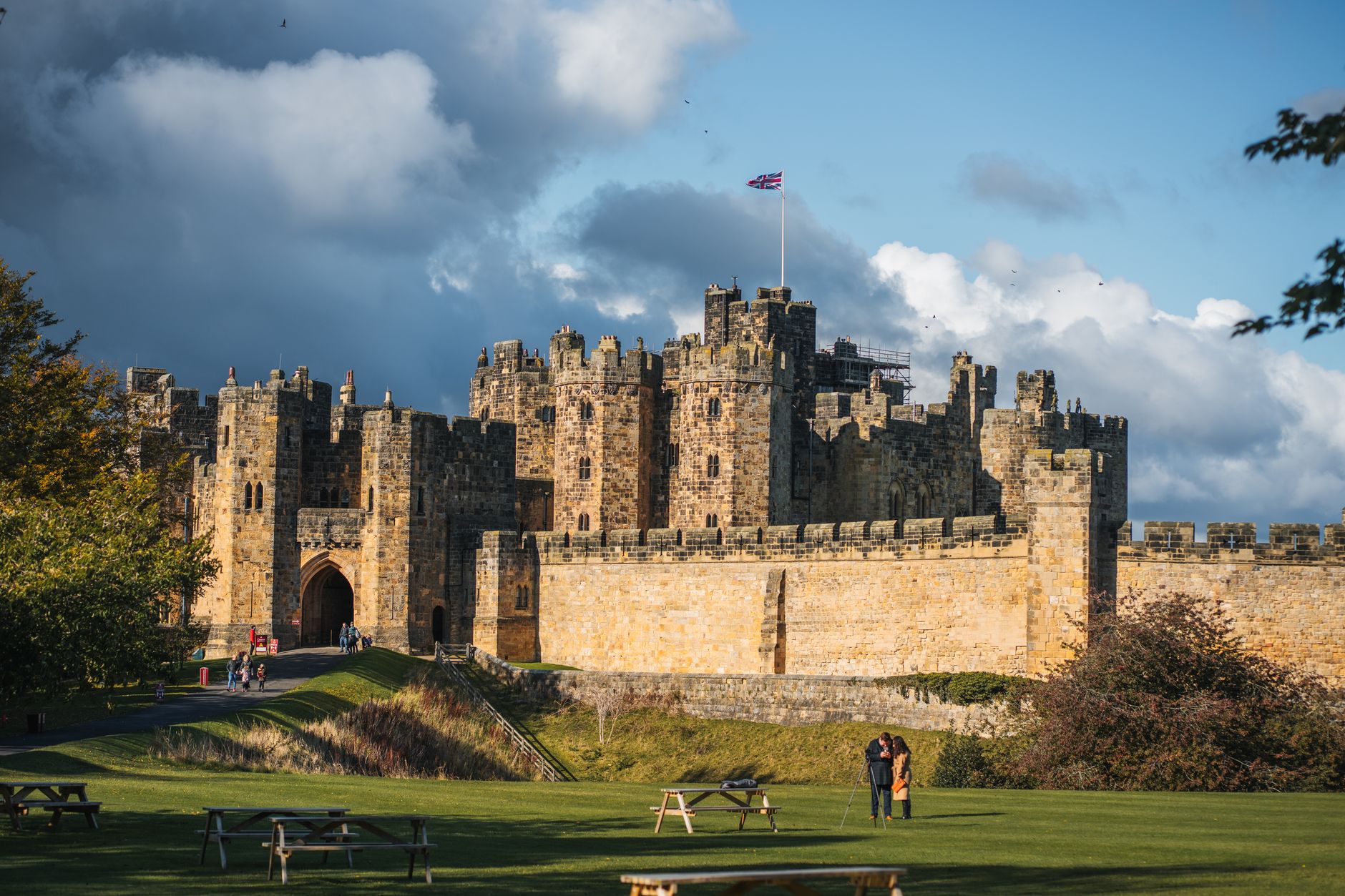
England’s second-largest inhabited castle, home to the same family for over 700 years, a genuine Wars of the Roses battleground, and — for a certain generation — the unmistakable exterior of Hogwarts itself.
-
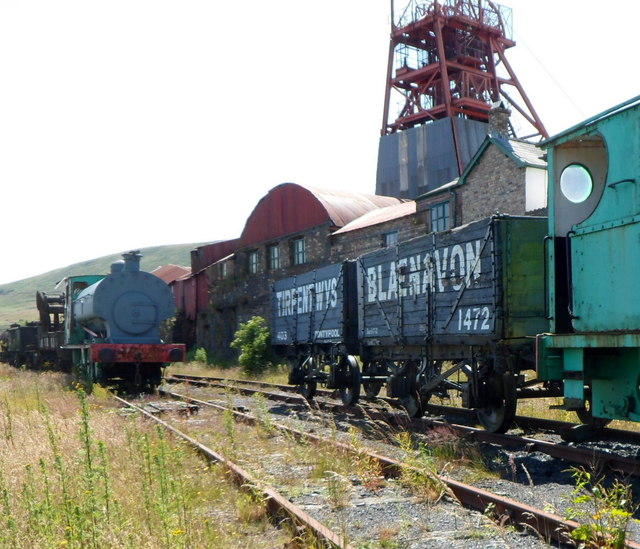
A real Welsh coal mine, closed in 1980 and reopened as a free museum three years later, where former miners still take visitors 300 feet underground into the original workings.
-
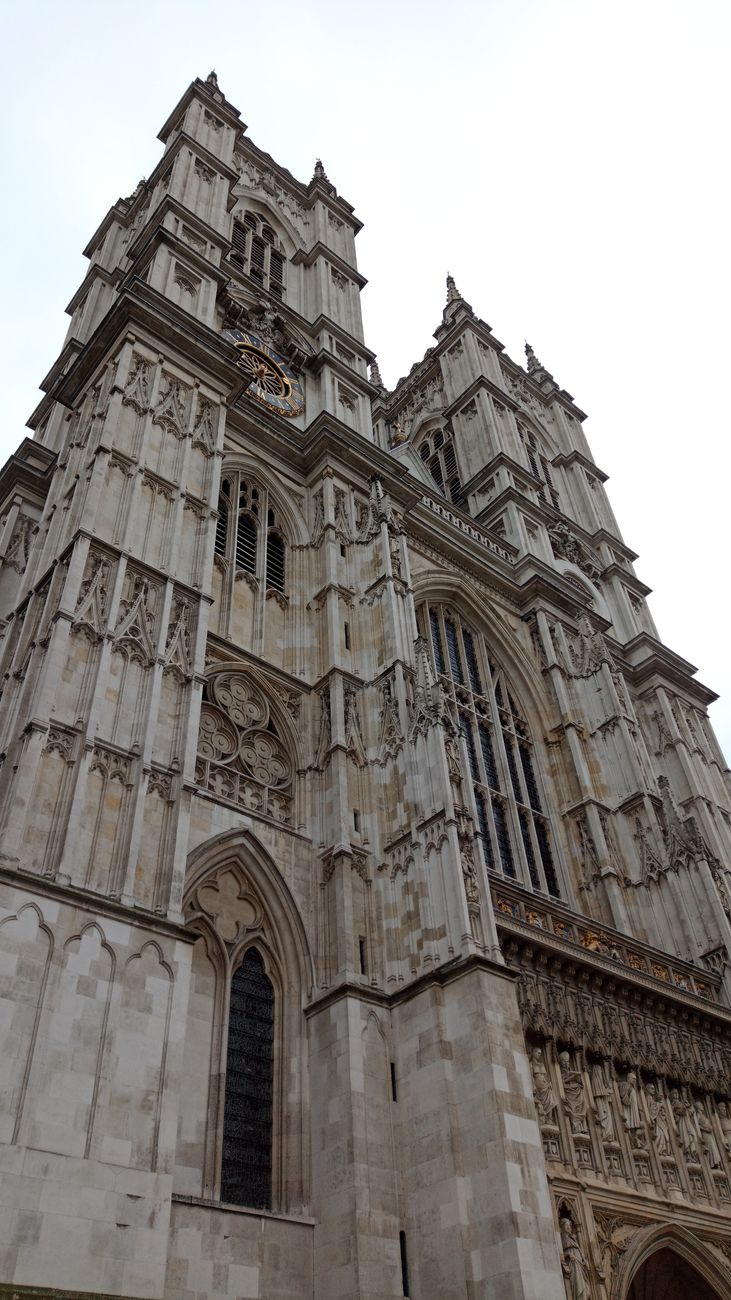
Every English and British monarch since 1066 has been crowned inside Westminster Abbey, and its floors and walls hold the tombs of kings, scientists and poets alike — a working church first, a visitor attraction second, which is exactly why so many people arrive unsure whether they can actually go inside.
-
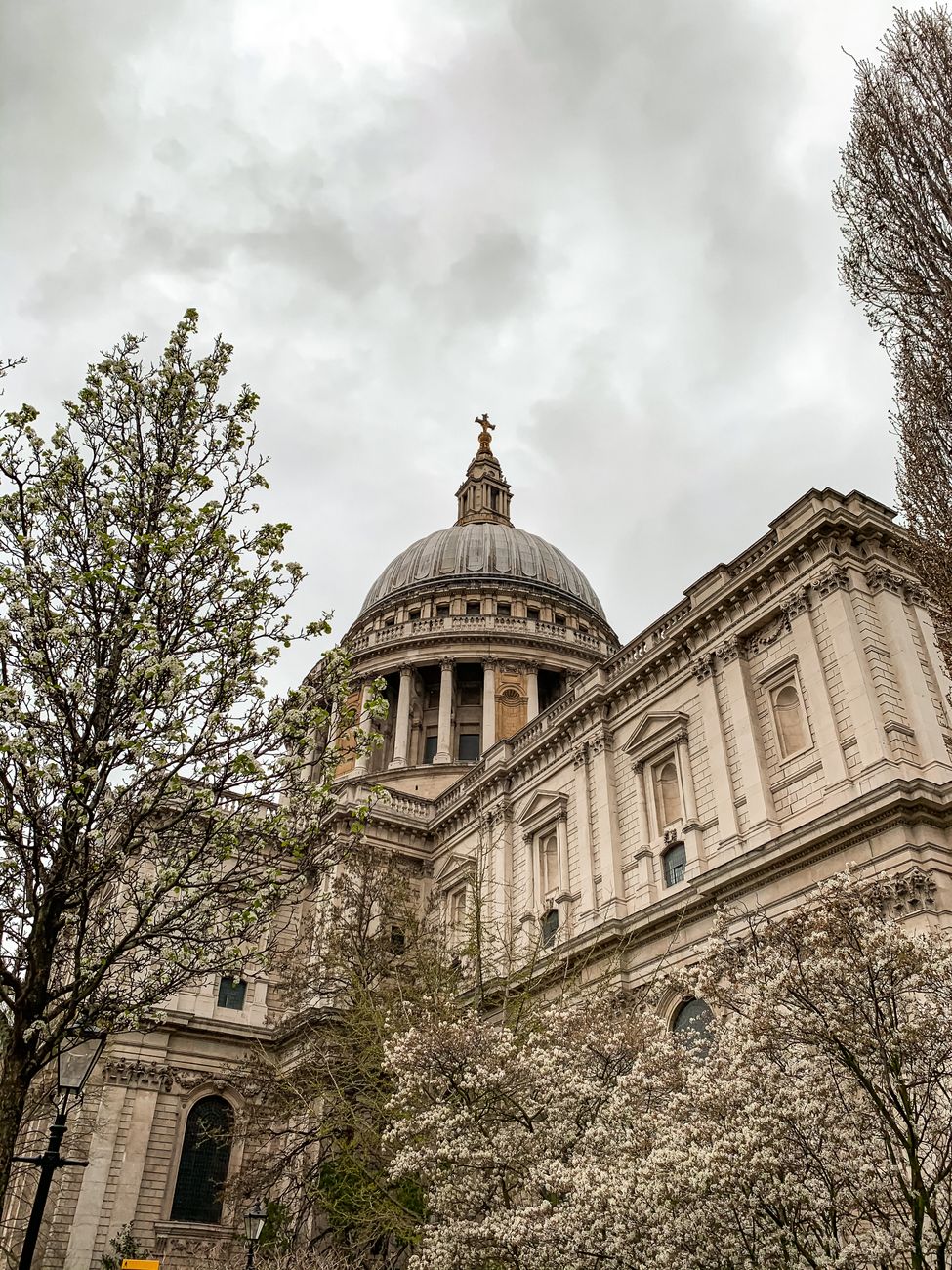
Christopher Wren’s dome has watched over London since 1710, survived a direct hit during the Blitz that made it the single most famous image of wartime Britain, and hosted everything from Nelson’s funeral to a royal wedding watched by 750 million people.
-

England’s oldest cathedral has survived Viking raids, a devastating fire, an archbishop’s assassination, centuries of pilgrimage, the Reformation, and the Luftwaffe — and its stones still carry the carved names of the pilgrims who came to see all of it happen.
-
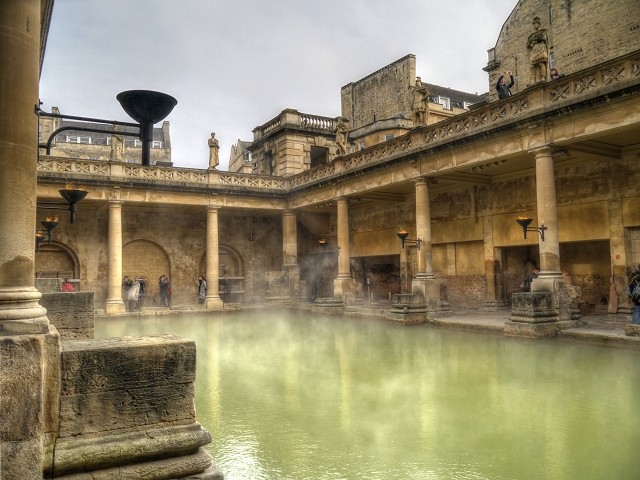
Nearly 2,000 years old and still fed by a natural hot spring, the Roman Baths in Bath let you walk the same paved edges Roman bathers once stood on — just don’t be tempted to dip a toe in, the water hasn’t been safe to touch since 1978.