Guides
-

A church supposedly built wherever a Welsh warlord found a white ox with a black spot on its forehead, containing the oldest fabric of any cathedral in Wales — and a genuinely unusual two-level structure most visitors don’t expect.
-

The last Cistercian abbey ever founded in Wales, named after a cross-topped pillar that was already four centuries old when the monks arrived — and once legendary for ale that reportedly flowed like a river.
-
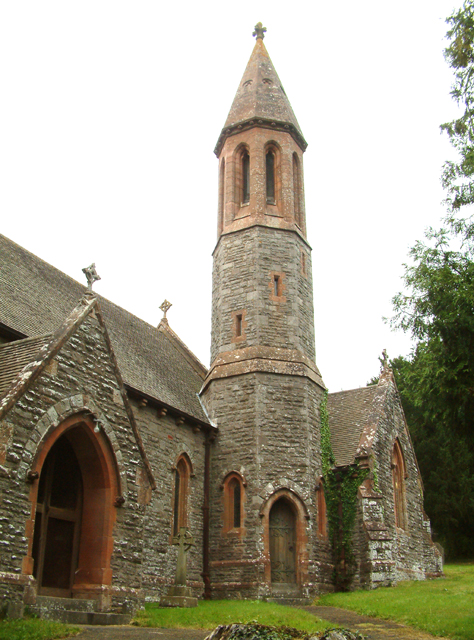
A Norman priory founded in 1093, home to the original regimental colours carried at Rorke’s Drift, sitting inside the only walled cathedral close in Wales — and yet one of Britain’s youngest cathedrals, only 100 years old.
-

Deliberately built in a hollow so Viking raiders couldn’t spot it from the sea, in Britain’s smallest city, where two pilgrimages here were once said to count as one to Rome.
-

A cathedral founded by a 6th-century Welsh saint, nearly destroyed by a wartime landmine, and rebuilt around a controversial 16-foot aluminium Christ — now one of Cardiff’s most popular concert venues too.
-
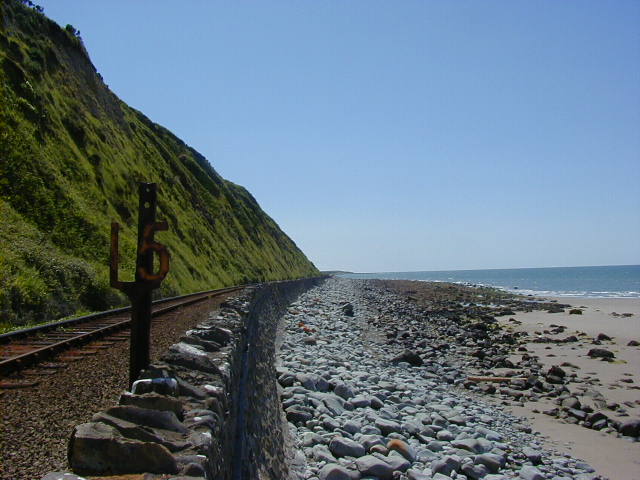
A castle built right on the seashore in 1274 now looks out over a mile of dunes and open sand — the coastline has actually retreated 1,000 metres since, and the beach that’s grown in its place is one of the most striking in Wales.
-
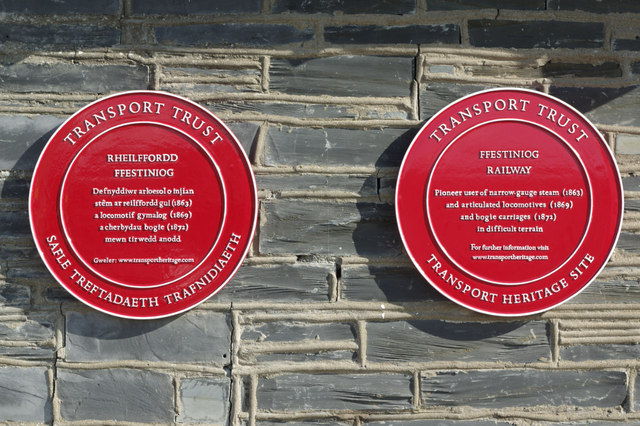
The oldest independent railway company still operating anywhere in the world, built to carry slate downhill by gravity in 1836, closed for eight years in the 1940s, and rebuilt by volunteers one station at a time until it finally reached its original destination again in 1982.
-

Two glacial lakes on the shoulder of Cadair Idris, quiet enough that you can drive right up to the water’s edge and still have the view mostly to yourself — though not, as it turns out, to swim in it.
-
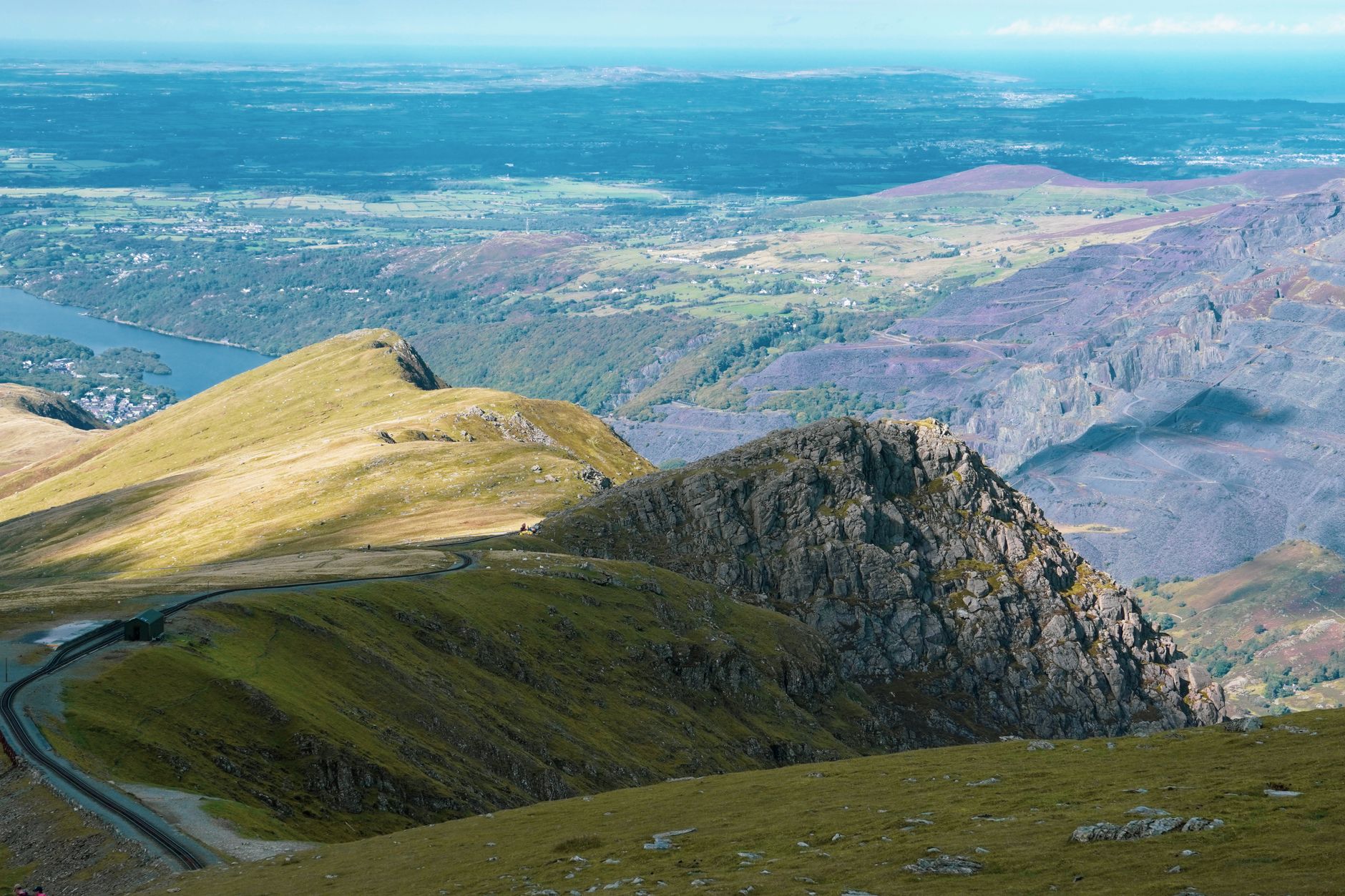
A former Royal Marine turned a derelict slate quarry into the world’s fastest zip line in 2013, then kept going — today Zip World runs three genuinely different adventure sites across Eryri, built almost entirely into the region’s old slate industry.
-
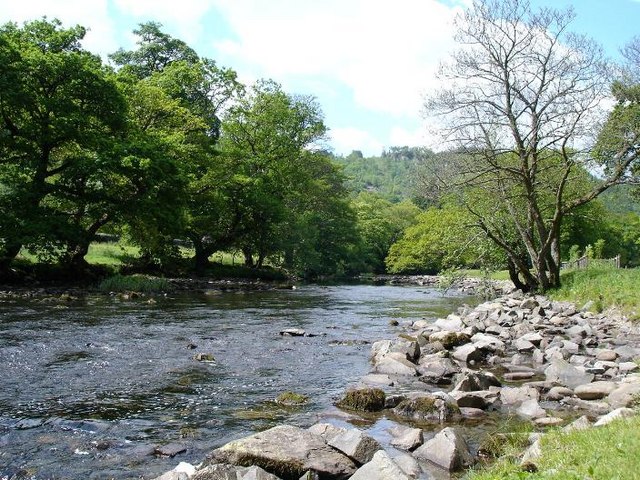
A village founded around a 6th-century monastery, transformed by a Telford bridge and a colony of Victorian painters into what’s still called the gateway to Snowdonia — waterfalls, ancient forest and a medieval bridge with a wild swimming spot all within walking distance of the station.