Castles & Historic Attractions
-
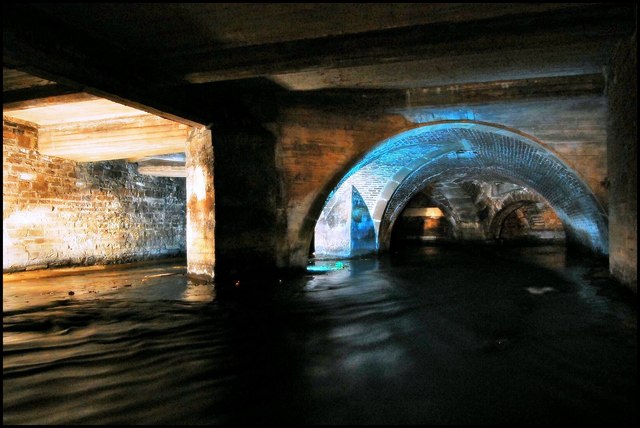
Beneath Southampton’s Old Town lie the stone cellars of a great medieval wine port, among them a vault built around 1180 to hold the King’s wine. They have outlasted a French raid, centuries of rebuilding and the Blitz.
-
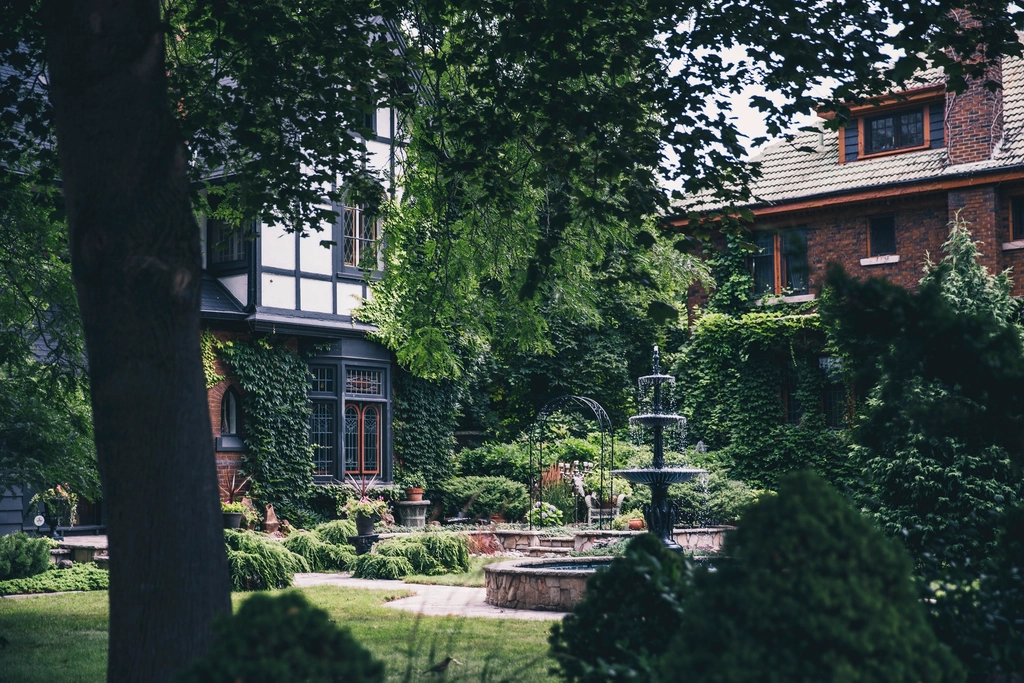
Sir John Dawtrey joined three cottages into Tudor House in 1491, and it survived Victorian slums and two near-collapses to become Southampton’s first museum. At the bottom of its garden stands a Norman merchant’s house named after a king who never stayed there.
-
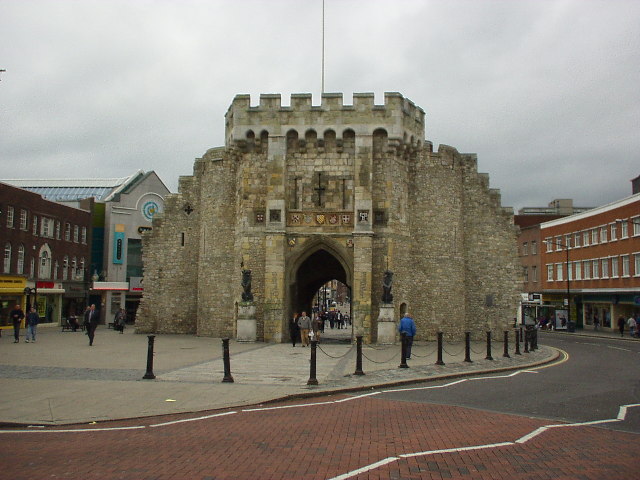
Southampton’s Bargate has guarded the way into the old town since about 1180. Behind it run the medieval walls, and beneath the streets lie the wine vaults of a great medieval port.
-

Dug in 100 days in 1940-41, buried by a 1970s clean-up scheme and dug out again by volunteers, Fan Bay Deep Shelter lies 125 steps down inside the White Cliffs of Dover, with two early aircraft-warning sound mirrors halfway through the tour.
-

An admiral built it, his wife said, at the expense of his country’s enemies; Robert Adam made his English debut inside; and Chopin’s own piano stands in the saloon. Here is the story of Hatchlands Park and how to visit.
-

An Elizabethan manor beside the Thames, held by descendants of one family since 1490, with hidden priest holes and the river’s last working watermill. Alexander Pope came here courting; film crews came for The Eagle Has Landed.
-

A rich man’s 1430s riverside showpiece, later home to a close ally of Richard III, then pulled down for building stone. Here is what survives at Minster Lovell Hall, and the legend that has never left it.
-
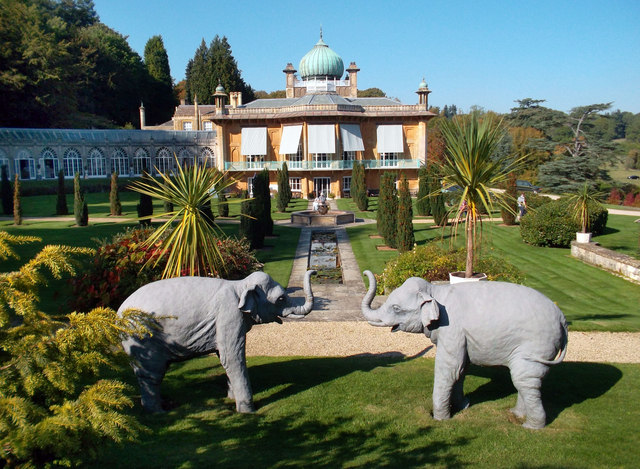
A Cotswold country house with a copper dome, built in the Mughal style of Rajasthan for a man who had worked for the East India Company. Here is how Sezincote came to be, and what a visit costs today.
-
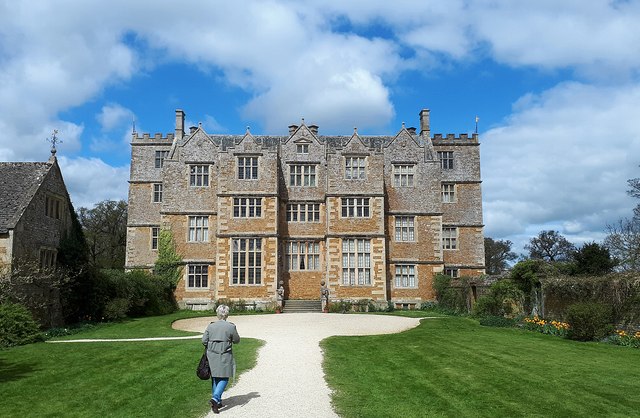
A wool merchant’s Jacobean showpiece near Moreton-in-Marsh, left almost untouched by four centuries of one family’s dwindling fortunes. Its rear lawns are where croquet’s rules were set down.
-
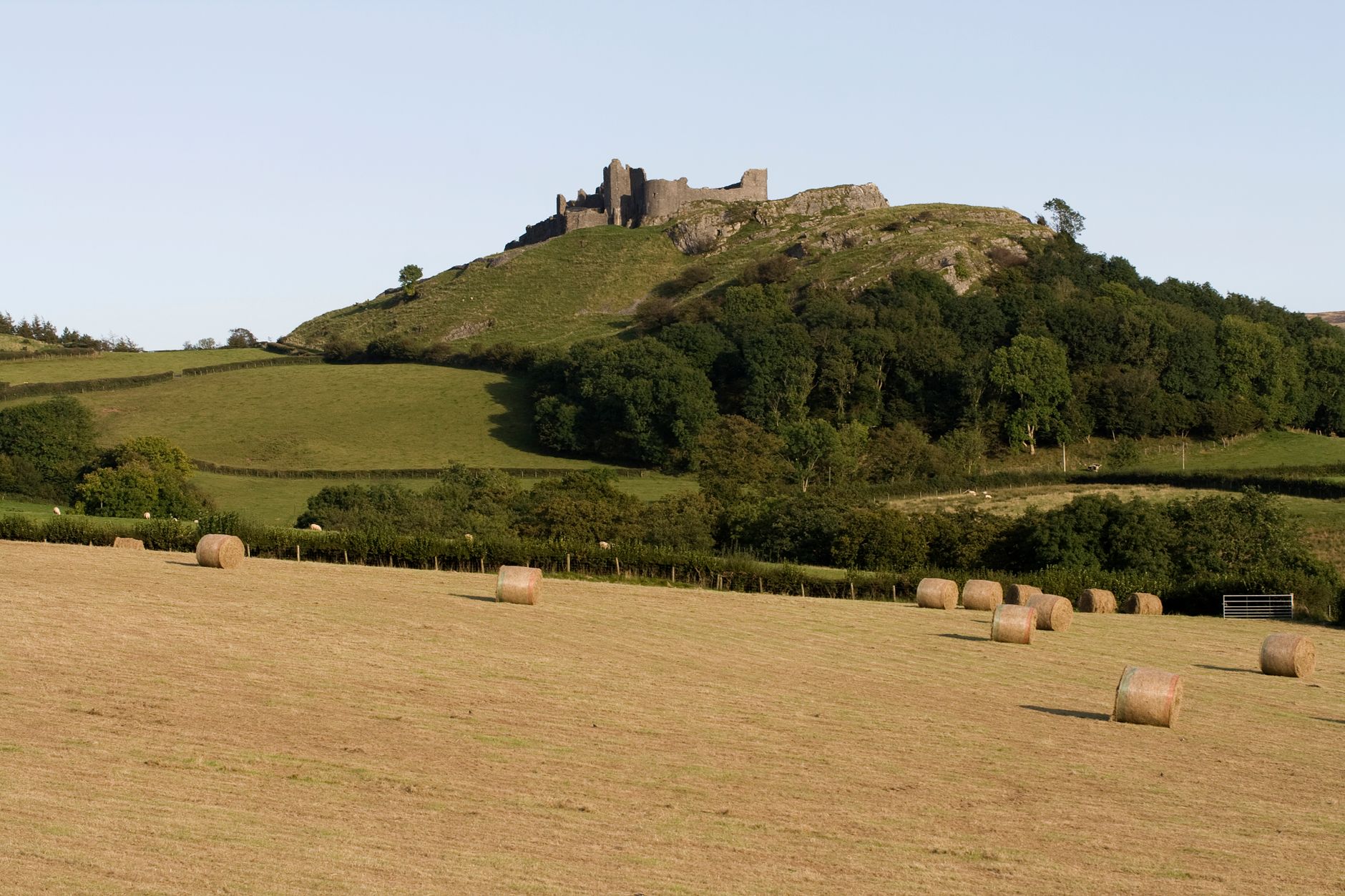
A clifftop ruin above the River Cennen, with a barbican of pits, a twin-towered gatehouse and a vaulted cave passage in the rock beneath. Welsh princes held it, Edward I’s baron rebuilt it, and the victorious Yorkists had it destroyed in 1462.