South West England
-
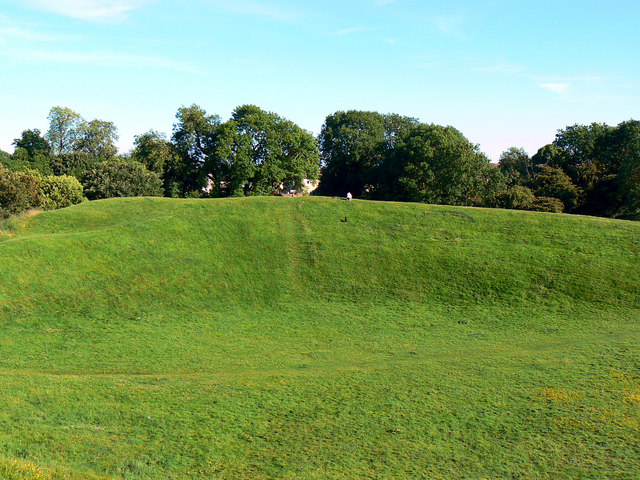
Massive earthwork banks on the edge of Cirencester mark the arena of Roman Corinium, which seated around 8,000 before it became a fortress.
-
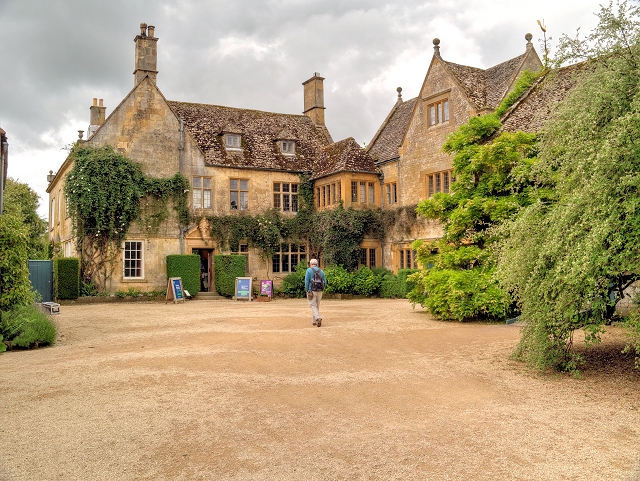
An American plant hunter bought a Cotswold farm on his mother’s behalf in 1907 and turned it into a garden of hedged outdoor rooms. Here is how Hidcote was made, and what a visit costs today.
-

Under two hours from Paddington to the Welsh capital, on trains that run twice an hour on weekdays. Book the right fare type and it’s one of the cheapest long-distance journeys in Britain; book the wrong one and you’ll pay three or four times over for the same seat.
-
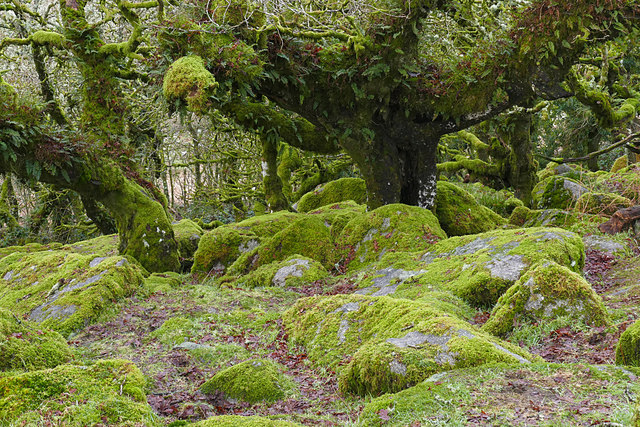
A mile of dwarf, moss-armoured oaks growing out of a boulder field high on Dartmoor, said by legend to be the kennel of the Devil’s own hounds. It’s one of only three fragments of ancient upland oakwood left on the moor, and every footstep inside it does real damage.
-
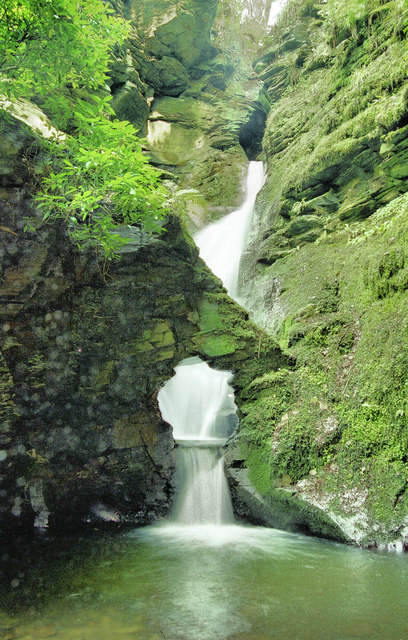
A 60-foot waterfall that punches through solid slate near Tintagel, hung with ribbons and wishes left by visitors who call it one of Britain’s most spiritual sites. The legend of the 6th-century hermit is older than the tradition itself, which is largely Victorian invention.
-
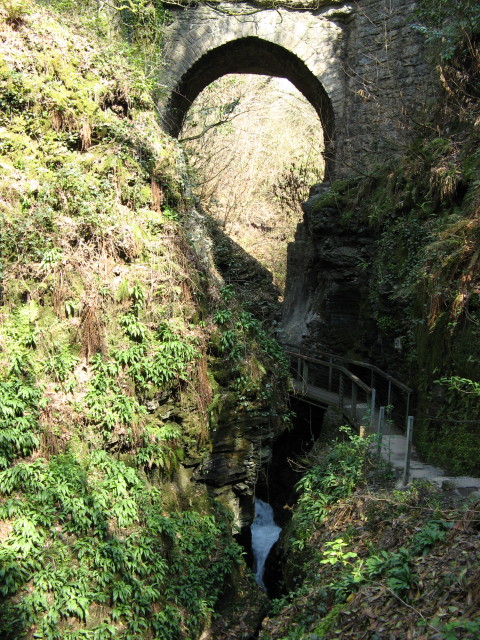
The deepest river gorge in the South West: a roaring pothole called the Devil’s Cauldron, a 30-metre waterfall, rare temperate rainforest and a legend of outlaws. But the full riverside walk has gone, and half the gorge shuts for winter, so plan before you go.
-

Brunel called it ‘my first child, my darling’, but he never saw it finished. Thirty-three years, two competitions, a riot and a borrowed set of chains later, his friends completed it in his memory. Here’s how to walk it, drive it and find the vaults beneath it.
-

Not the novelist, but the sea captain: a stone tower on Black Down raised to the man in whose arms Nelson died at Trafalgar, with views on a clear day from Devon to the Isle of Wight.
-
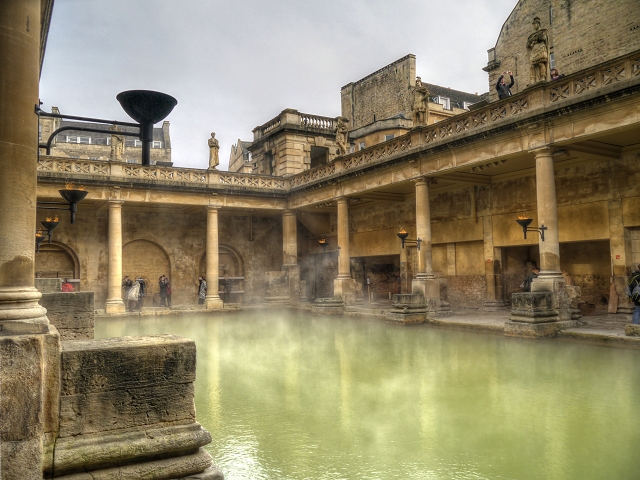
Nearly 2,000 years old and still fed by a natural hot spring, the Roman Baths in Bath let you walk the same paved edges Roman bathers once stood on — just don’t be tempted to dip a toe in, the water hasn’t been safe to touch since 1978.
-
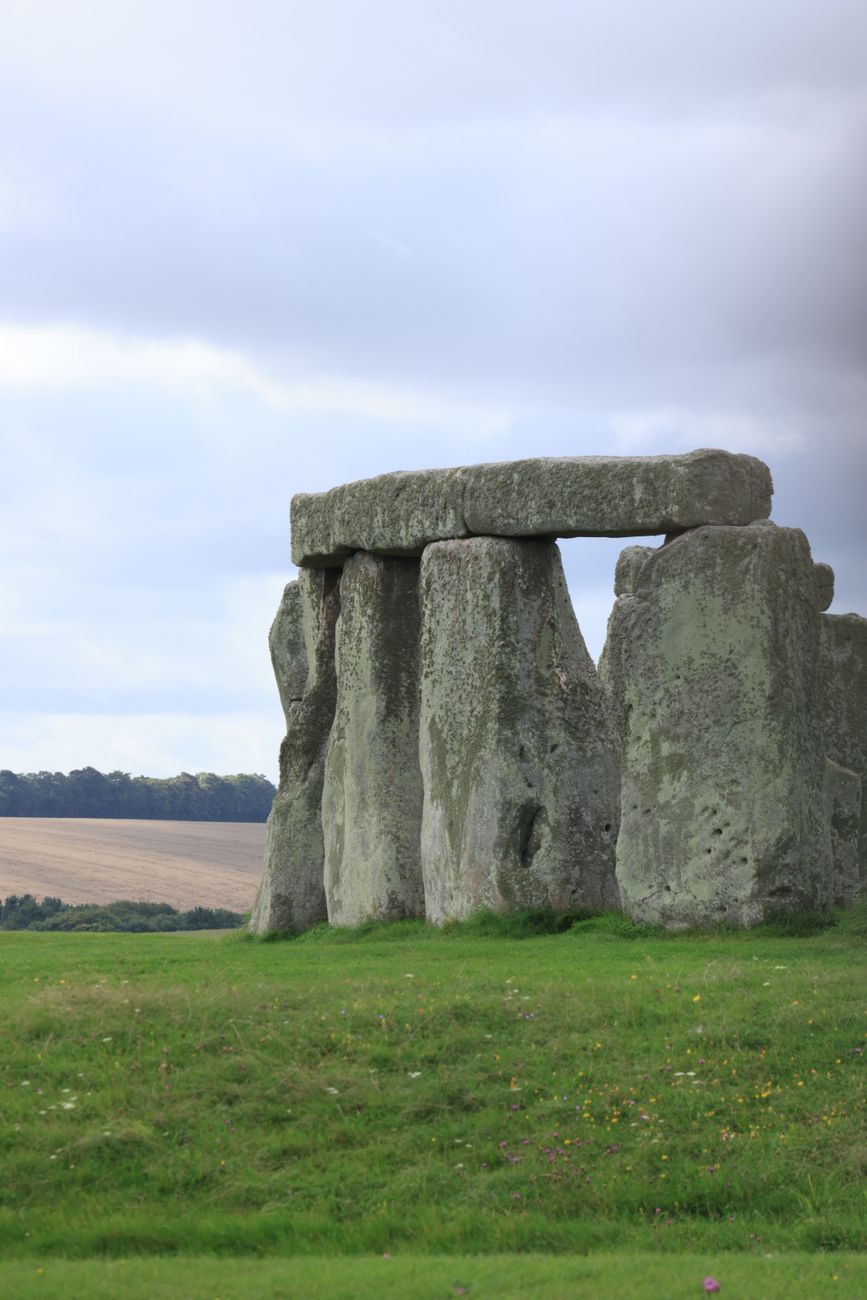
A ring of stones on Salisbury Plain that has outlasted the empires that came after it — Stonehenge took over 1,500 years to build, aligns precisely with the summer and winter solstice sun, and still draws thousands of people to stand among the stones for free, twice a year, at dawn.