Churches & Cathedrals
-

Twelve monks from France, a river that kept flooding and a king who stayed for Holy Week: the story of Britain’s first Cistercian abbey, now a free ruin beside the River Wey near Farnham.
-
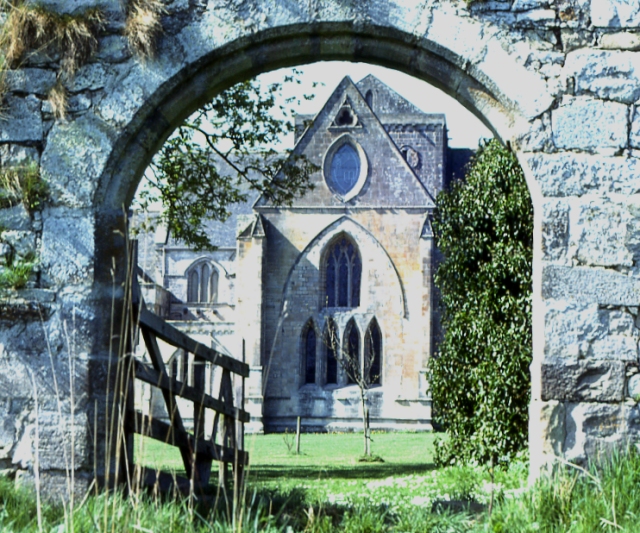
A hillside manor once used by the Abbots of Gloucester, granted away by Henry VIII and given to Benedictine monks nearly four centuries later. Here is its story, and how to visit today.
-

A Cistercian abbey founded after a storm at sea and made famous by a relic that drew pilgrims from far and wide, until Henry VIII’s reformers declared it a fake.
-
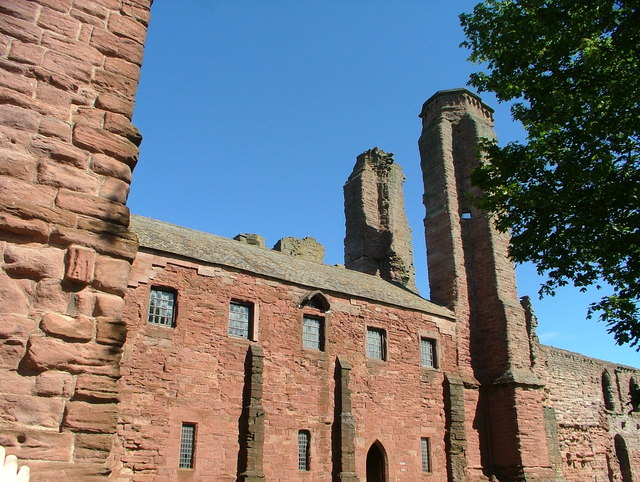
The ruined abbey where the Declaration of Arbroath was dated in 1320, founded by William the Lion in memory of Thomas Becket and later the surprise resting place of the Stone of Destiny.
-
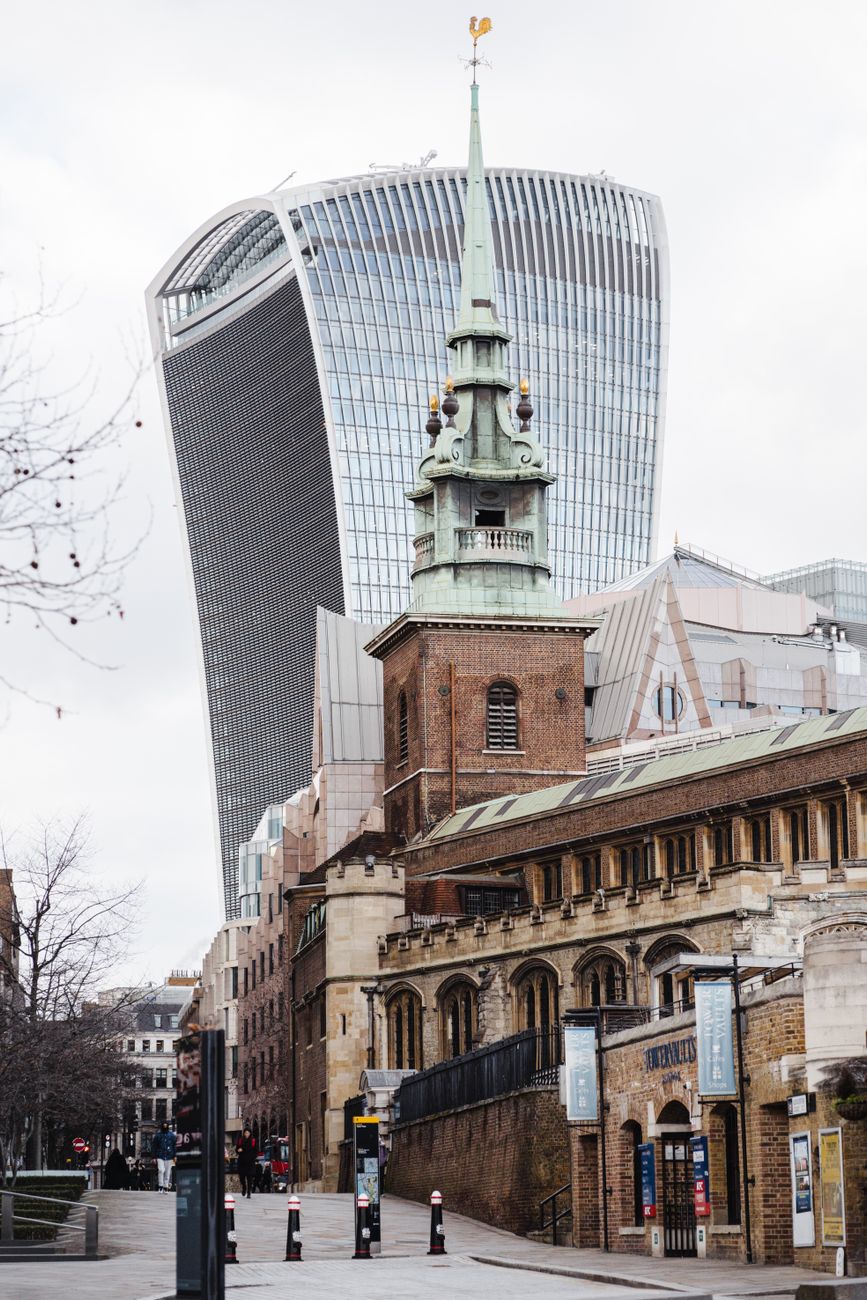
Older than the Tower of London next door, this City church holds a Saxon arch, a Roman floor, a crypt museum and the tower Pepys climbed to watch London burn.
-
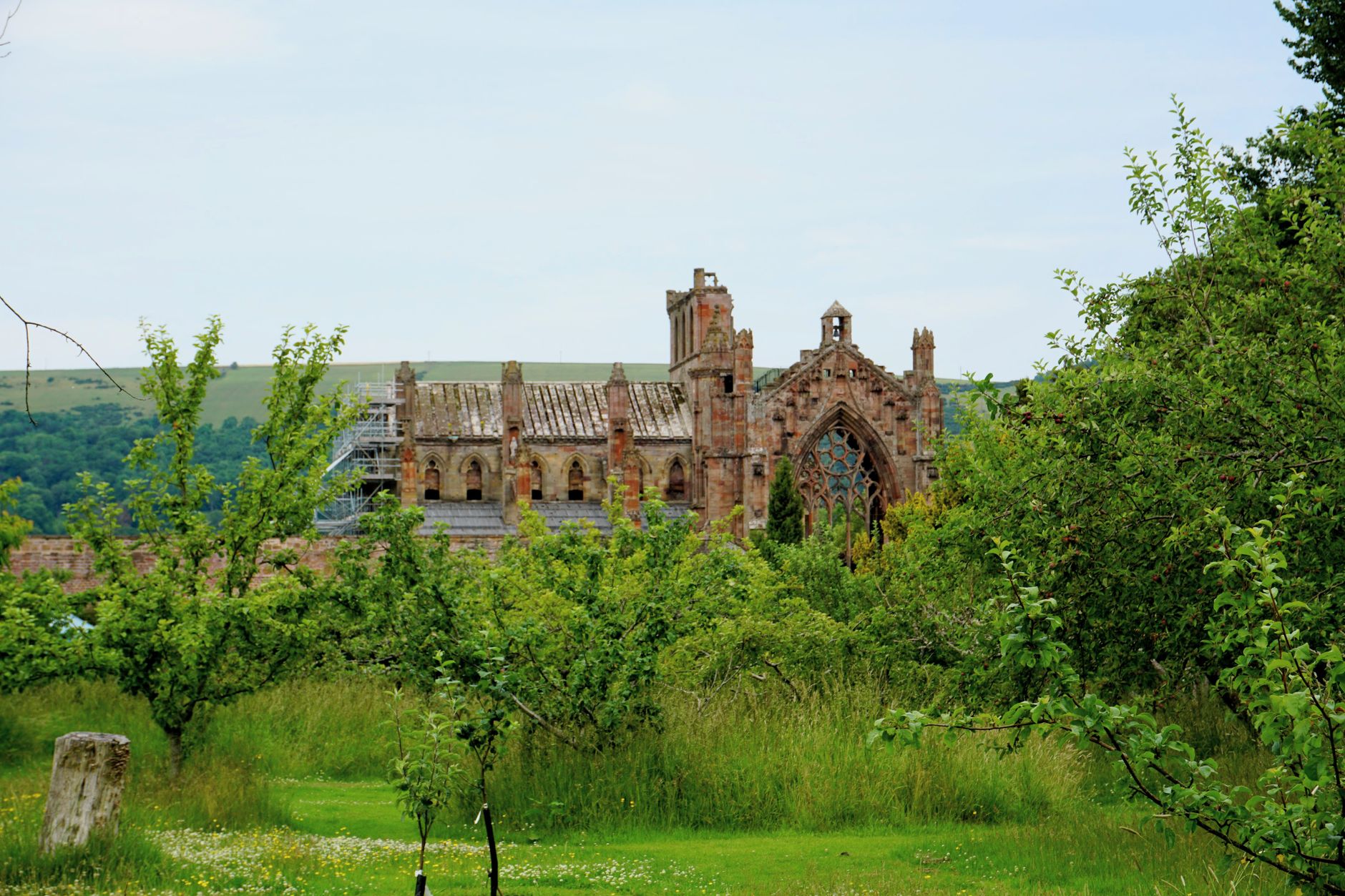
Scotland’s first Cistercian monastery, burned by English armies and rebuilt in rose-pink stone, with a bagpipe-playing pig among its gargoyles and, beneath a small marker in the grounds, what is believed to be the heart of Robert the Bruce.
-

A church supposedly built wherever a Welsh warlord found a white ox with a black spot on its forehead, containing the oldest fabric of any cathedral in Wales — and a genuinely unusual two-level structure most visitors don’t expect.
-

The last Cistercian abbey ever founded in Wales, named after a cross-topped pillar that was already four centuries old when the monks arrived — and once legendary for ale that reportedly flowed like a river.
-
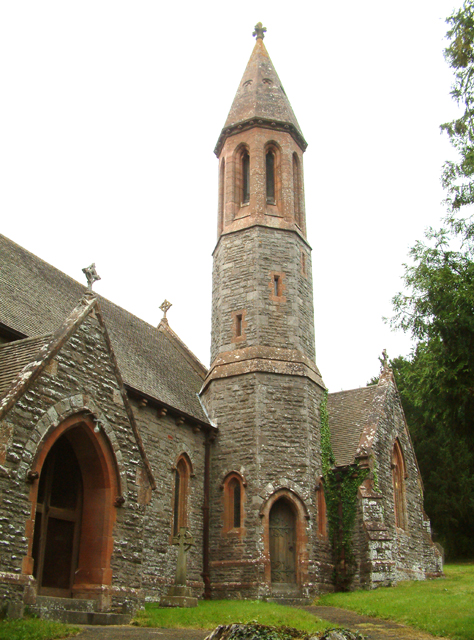
A Norman priory founded in 1093, home to the original regimental colours carried at Rorke’s Drift, sitting inside the only walled cathedral close in Wales — and yet one of Britain’s youngest cathedrals, only 100 years old.
-

Deliberately built in a hollow so Viking raiders couldn’t spot it from the sea, in Britain’s smallest city, where two pilgrimages here were once said to count as one to Rome.