Castles & Historic Attractions
-
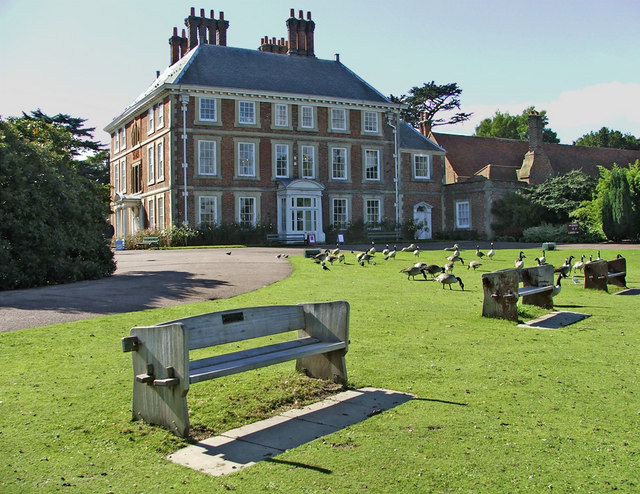
Forty Hall in Enfield is a free Jacobean manor house built by a future Lord Mayor of London, set in a 273-acre estate above the buried remains of a Tudor royal palace.
-
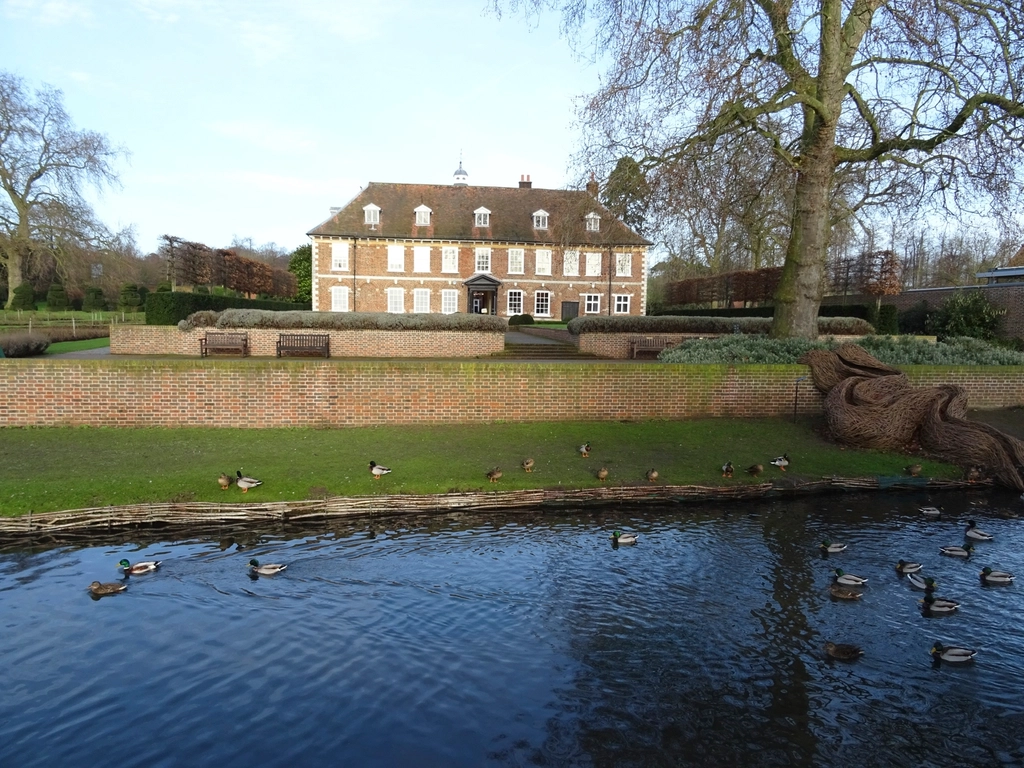
Hall Place in Bexley is a Tudor merchant’s house with a red-brick 17th-century wing, a Second World War message-interception past and free gardens beside the River Cray.
-
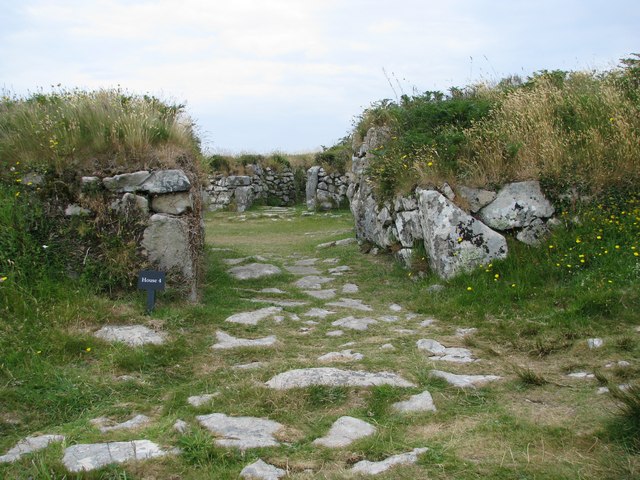
Ten stone courtyard houses on a Cornish hillside, left by a farming community that lived through the Roman period in the far south-west. Here is the history, and where English Heritage’s closure leaves visitors.
-

A ruined circular castle above the Fowey valley, Restormel was a hunting retreat for the earls of Cornwall and twice hosted the Black Prince. Here is its story, and how to visit.
-
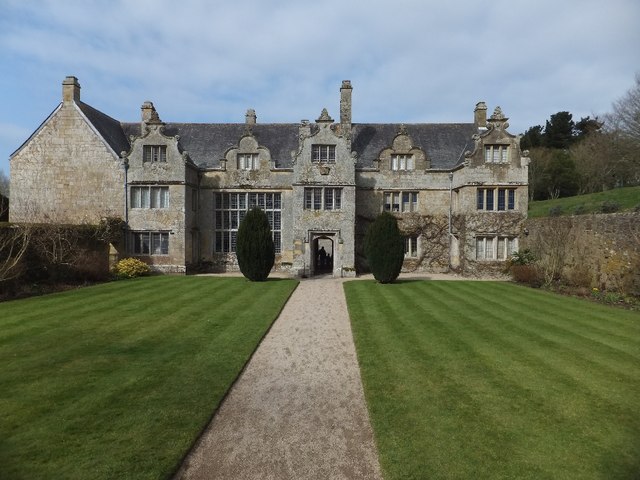
A small Elizabethan manor near Newquay, shaped by the Arundells and the Aclands, with a knot garden, a kayles lawn and rooms that run from the 1500s to the 1950s.
-

A Roman fort on the edge of Breydon Water whose flint-and-tile walls still stand about 4.6 metres high, with an early Christian monastery and a Norman castle in its later story.
-
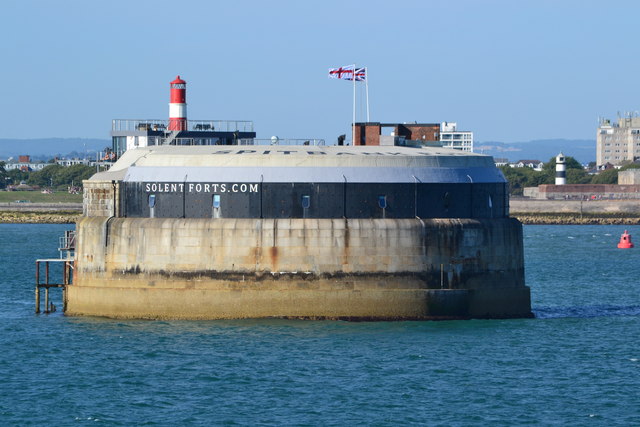
Spitbank Fort rises from Spit Sand in the Solent, a Victorian sea fort built to guard Portsmouth dockyard that later became a luxury hotel. Here is its history and what to know before trying to visit.
-
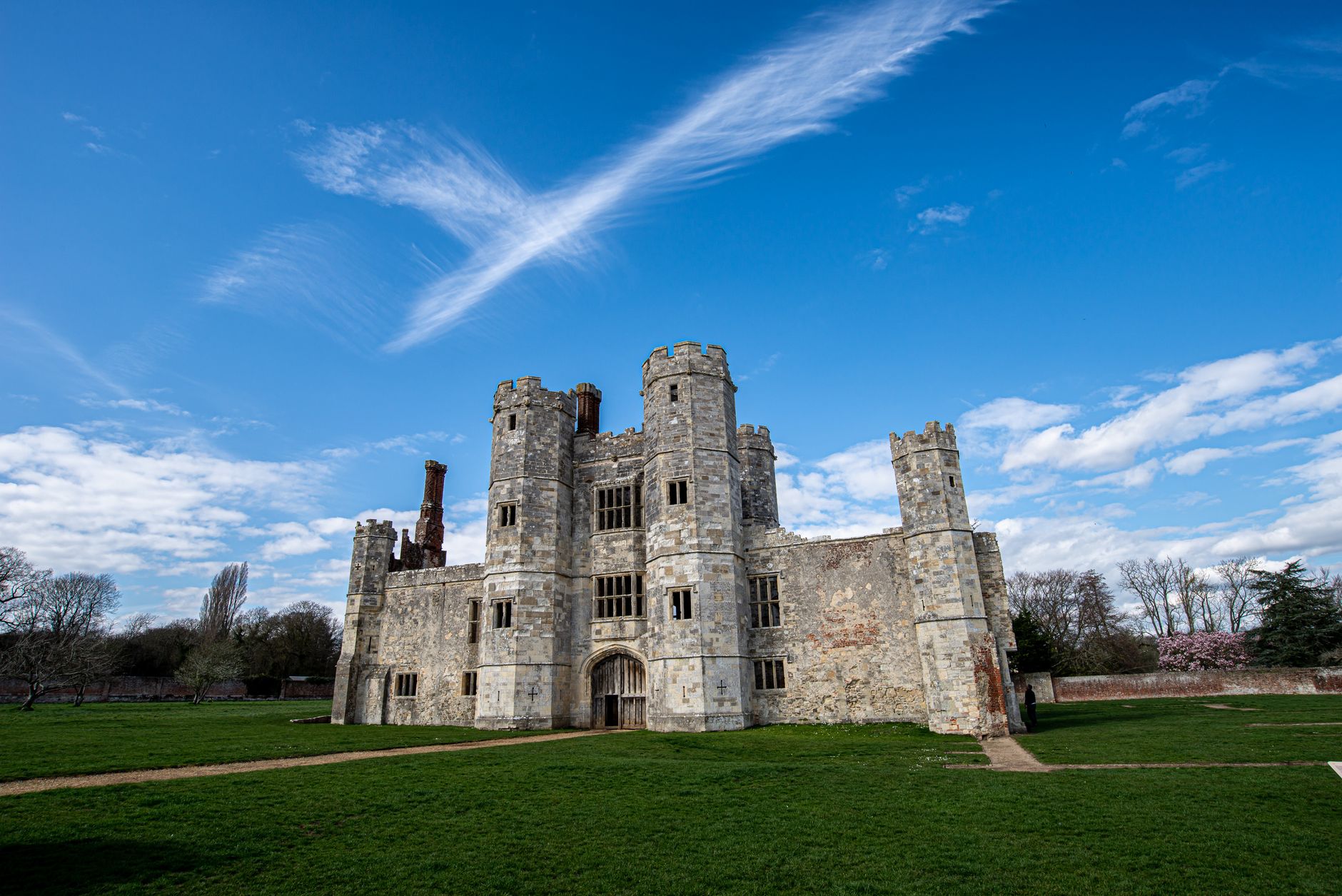
Titchfield Abbey in Hampshire is a free-to-enter ruin where a medieval abbey became a Tudor mansion, with a turreted gatehouse, medieval floor tiles and a Shakespeare tradition to weigh up.
-
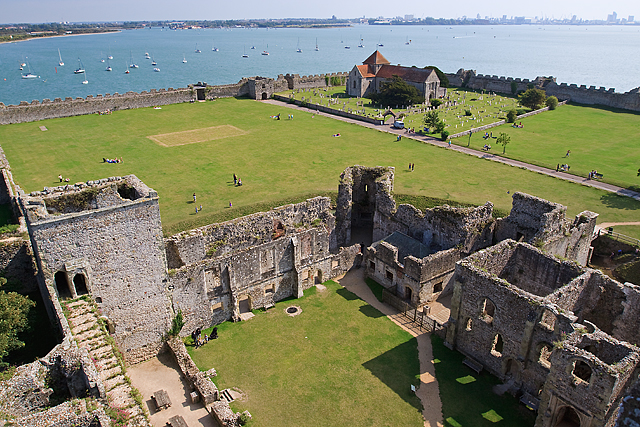
Portchester Castle on Portsmouth Harbour packs a Roman fort, a Norman keep, a royal palace and a Napoleonic prison into one Hampshire site, with the practical details for visiting.
-
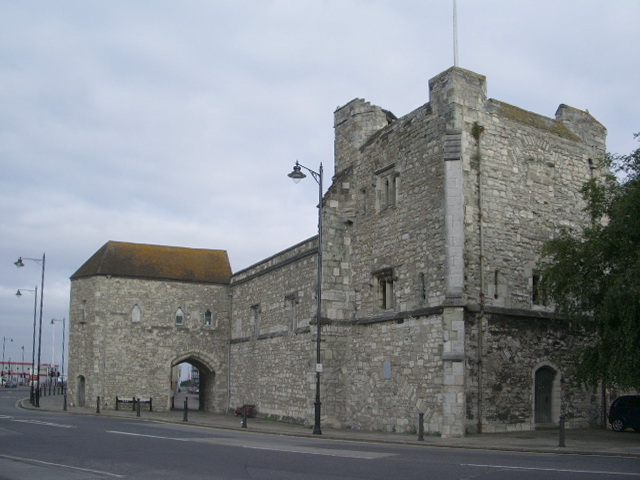
God’s House Tower began as a sea gate in 1189, became a gun tower after the French raid of 1338, then a damp town gaol. Today you can climb it to the roof for views across Southampton Water.